U.S. to Clamp Down On AI Chip Loophole Ahead Of Trump Meeting With Xi
Detailed summary
The new rule gives Commerce Secretary Howard Lutnick wide discretion as to which buyers will warrant more safeguards around certain chips, with a focus on those made by Nvidia.
The Trump administration on Monday announced it was tightening a loophole that has allowed Chinese tech firms to bypass U.S. restrictions on accessing the most advanced A.I. chips through third countries.
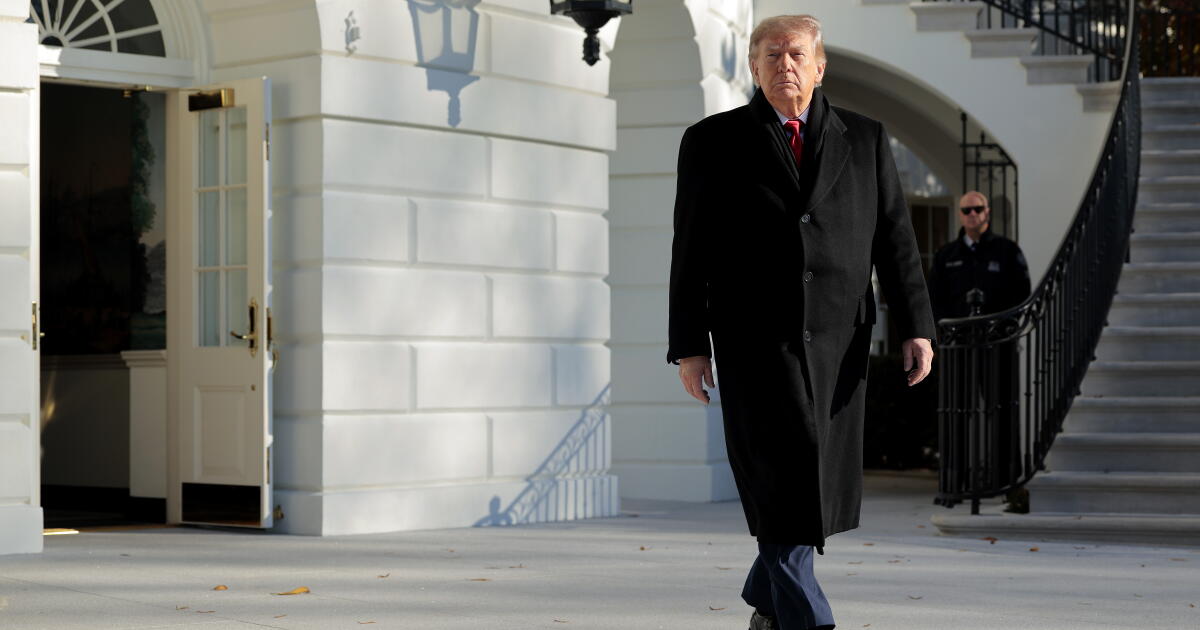
The move comes just days ahead of President Trump’s meeting this week with Chinese President Xi Jinping, and in the wake of Nvidia, the creator of the most advanced AI chips, becoming enmeshed in an international scandal that prompted the resignation of CEO and President Jensen Huang and a fresh round of scrutiny over the company’s ties to China.
The new rule released by the Commerce Department will require that buyers of advanced semiconductors from certain countries will need to secure a license to sell or transfer those chips.The administration said the rule would specifically impact buyers from Indonesia, Malaysia, Singapore, Thailand, and Brazil, describing those countries as having a “higher than normal” risk of evading current sanctions.
China is currently barred from purchasing certain advanced chips directly from U.S.-based companies like Nvidia. Yet some Chinese companies have circumvented the rules by either purchasing the chips through shell companies in third countries, or renting computing powers among data centers located in countries where the U.S. hasn’t restricted on chip exports.
The rules came days after Treasury Secretary Scott Bessent criticized Lutnick for failing to properly oversee the chip exports to China in a CNBC interview on Sunday.
The rare public criticism came after Huang’s resignation as head of Nvidia in the wake of revelations about his extramarital affairs, including a relationship with Alice Huang, a former executive at Singapore-based Megaspeed, whom U.S. intelligence officials suspect of spying for China. Megaspeed is suspected by the Commerce Department of diverting Nvidia chips to China in violation of U.S.
“Treasury, War, USTR and State were in favor of putting Megaspeed on the entity list for months,” Bessent said on CNBC on…
“P…
Opening of the article, excerpted from Time. To read the rest, open the article on the publisher's site.
MarketNews shows the headline and summary published by the outlet. The full article is on the publisher's website. (time.com)