The Nvidia scandal fuels tougher China chip rules as Commerce targets Singapore and Malaysia
Detailed summary
The Commerce Department wants to expand export controls to five new countries and close a loophole that let China access chips in overseas data centers.
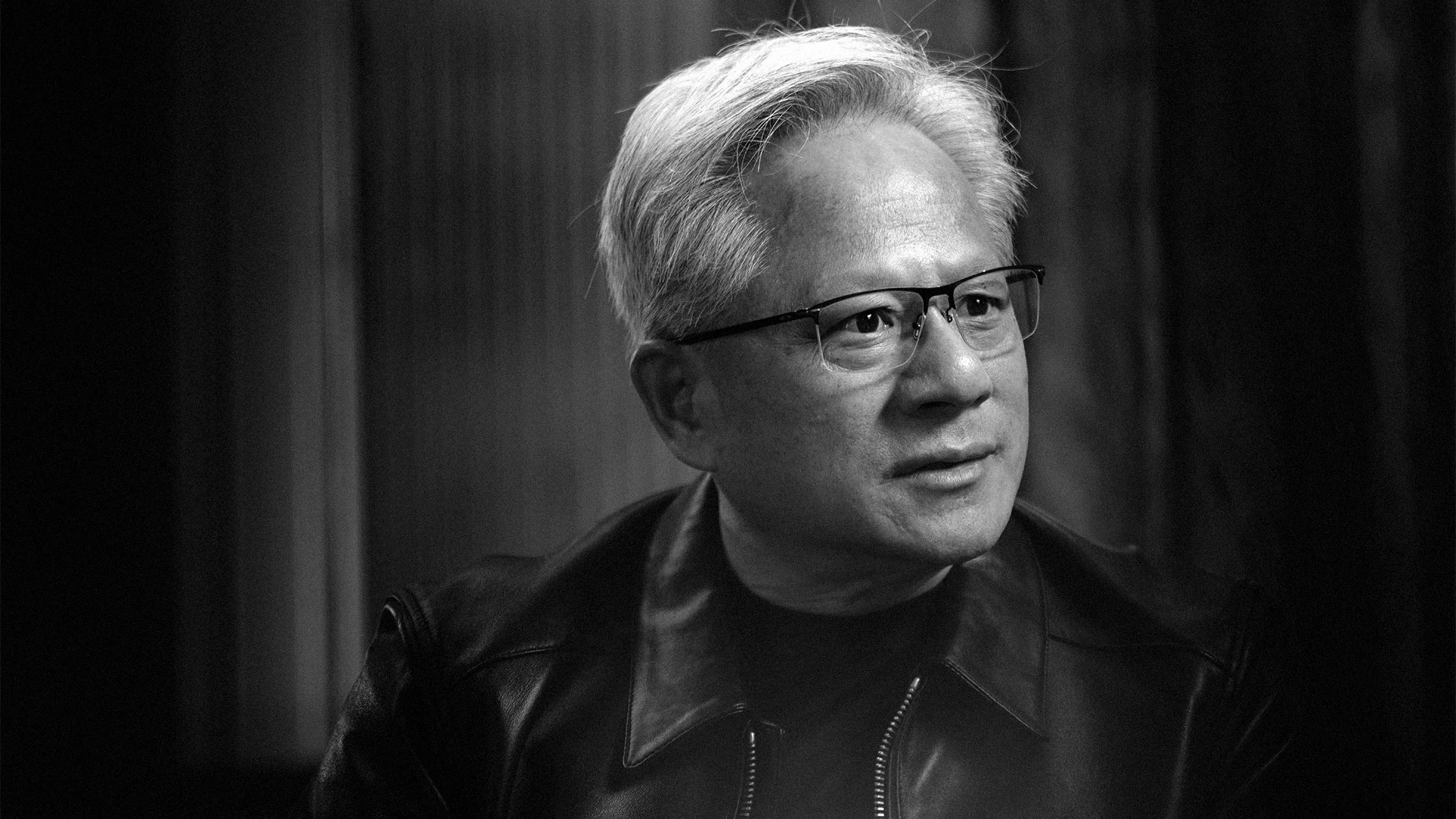
When Jensen Huang resigned as Nvidia’s CEO on Thursday, critics of the U.S.’s policy of restricting chip sales to China lost one of their biggest allies.
In addition to being one of the industry’s biggest proponents of the AI buildout, Huang remains one of the most vocal critics of U.S. policies that bar the sale of advanced chips and chipmaking equipment to China. He claimed that these measures would encourage the creation of a competing Chinese chip industry, and that it was better for the U.S. to keep Chinese companies hooked on U.S. technology.
Nvidia’s CEO was also a strong supporter of open-source AI models—many of which came from Chinese developers like DeepSeek—in the face of criticism that such models posed a serious cybersecurity threat.
Revelations that Huang had an affair with Alice Huang (no relation)—a former executive at Megaspeed, a Singaporean company suspected of funnelling controlled chips to China—has torched the Nvidia CEO’s credibility on the issue of export controls. (Some reports claim U.S. intelligence considered Alice Huang to be part of a Chinese espionage campaign against Nvidia, but others have cast doubt on that assessment).
On Monday morning, the U.S. Department of Commerce released the first update to its export control regime since the scandal broke, issuing an interim final rule that closes a longstanding loophole that allowed Chinese companies to access AI chips based in overseas data centers, and expands export controls to an array of Southeast Asian countries. Congress, too, is debating several laws that would codify and expand existing export controls.
Yet tighter rules may also complicate matters for other countries trying to forge a more neutral path between the U.S. and China
Current export controls block the most advanced AI processors—made by companies like Nvidia, AMD, and Intel—from being sold to Chinese companies, though the Trump administration has allowed sales of Nvidia’s H200 to approved Chinese customers.
Commerce’s new…
Th…
Opening of the article, excerpted from Fortune. To read the rest, open the article on the publisher's site.
MarketNews shows the headline and summary published by the outlet. The full article is on the publisher's website. (fortune.com)