ULA's Vulcan rocket fails 10 minutes after launch, 40 Amazon satellites lost
ملخص مفصل
United Launch Alliance's Vulcan rocket failed 10 minutes into flight, destroying 40 Amazon Leo internet satellites. Here is the science behind what may have gone wrong.
For ten minutes, everything seemed to go right. Then a rocket carrying 40 internet satellites fell silent over the Atlantic, and with it ended a two-decade run without a single total failure.
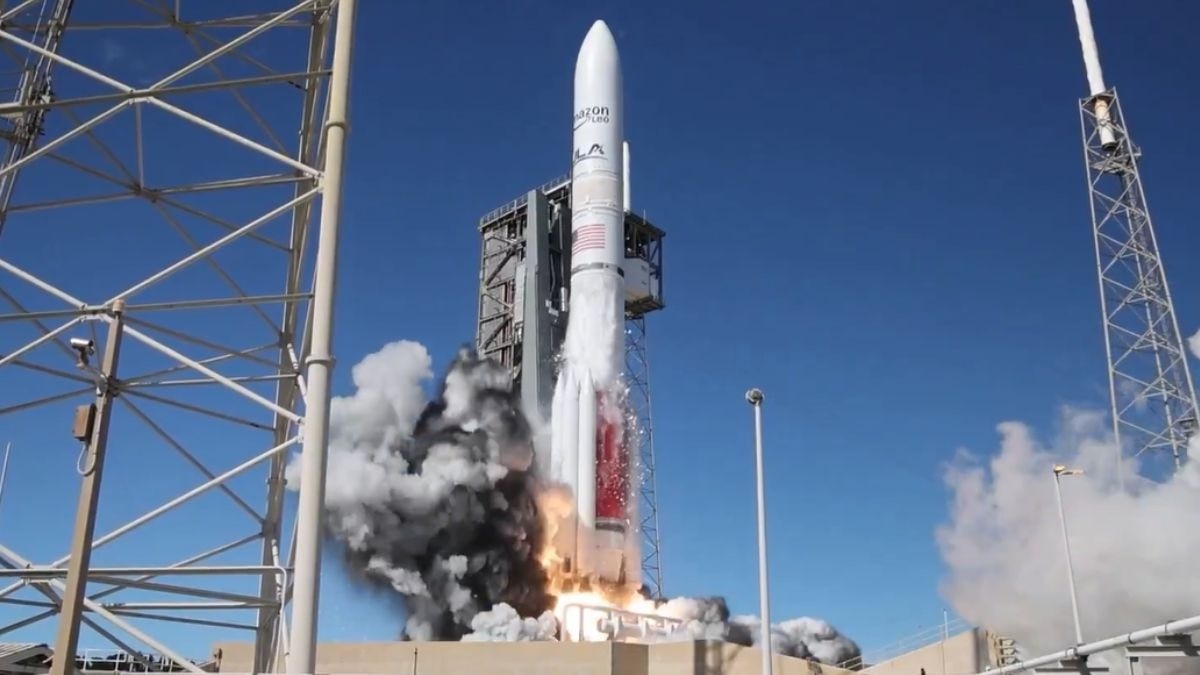
United Launch Alliance's (ULA) Vulcan rocket lifted off from Space Launch Complex 41 at Cape Canaveral, Florida, at 12:40 pm EST on November 15 (11:10 pm IST) with 40 Amazon Leo broadband satellites. About 10 minutes into the flight, the rocket suffered an anomaly and "failed to deliver the Amazon mission to orbit," ULA said in a statement.
It is the first total mission failure in the history of ULA, the joint venture formed by Boeing and Lockheed Martin in 2006.
ULA says it does not yet know. "Since the anomaly just occurred, we don't have any specific data yet to understand what occurred today," the company said.
The flight was Vulcan's fifth, and its first in nine months. Its six solid rocket boosters, strap-on motors that give the extra push at liftoff, burned out and separated normally about 1 minute 40 seconds into the flight. That matters, because a booster nozzle burned through and fell off on two earlier flights.
The trouble appeared later. Flight telemetry, the stream of data a rocket sends back to the ground, showed the core stage's two BE-4 engines burning longer than planned.
Separation from the upper stage, called the Centaur, also came later than expected. The Centaur then made unusual orientation adjustments early in its planned 12-minute burn, before the mission was lost.
To stay in low Earth orbit, a satellite must travel sideways at about 28,000 km per hour, or 7.8 km per second. Fall short, and gravity pulls it back.
If the first stage pushes less than it should, the rocket spends longer climbing against gravity instead of picking up speed. Engineers call this gravity loss. The upper stage then has to make up the deficit, and it carries only a limited amount of fuel.
مطلع المقال، مقتطف من India Today. لقراءة المقال كاملًا، افتحه على موقع الناشر.
يعرض MarketNews العنوان والملخص كما نشرتهما الوسيلة الإعلامية. المقال الكامل متوفر على موقع الناشر. (www.indiatoday.in)