Shining a royal torch on Diwali yet no monument for the indentured labourers of 1860
ملخص مفصل
Despite growing royal and political recognition of Diwali in South Africa, descendants of Indian indentured labourers are still waiting for a promised Durban…
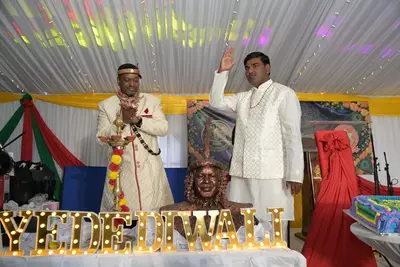
As South Africa’s Indian community celebrates Diwali with growing recognition from the Zulu monarchy and the country’s political leadership, a long-standing historical injustice remains unresolved.
More than a century and a half after the arrival of the first Indian indentured labourers in Natal, Durban has no prominent monument honouring the men, women and children whose sacrifices helped build modern KwaZulu-Natal.
The contradiction is particularly striking as the country marks the 166th anniversary of the arrival of the first indentured labourers aboard the SS Truro on 16 November 1860.
While Diwali has become an important celebration of South Africa’s cultural diversity, repeated promises to commemorate the contributions of the indentured community have yet to materialise.
For more than a decade, successive KwaZulu-Natal premiers and eThekwini mayors have pledged to erect a monument on Durban’s historic foreshore, where the first indentured labourers arrived. The project, reportedly allocated R10 million, with R5m spent, has been characterised by delays, unfulfilled commitments and postponed unveilings.
The descendants of more than 150 000 Indians who arrived under indenture between 1860 and 1911 continue to commemorate their ancestors without a fitting public landmark acknowledging their place in South African history.
Those ancestors crossed the Indian Ocean under a system established by British colonial authorities to supply labour to Natal. They endured exploitation, discrimination and hardship, yet their contributions helped transform the province’s agricultural, commercial and industrial landscape. Over successive generations, their descendants established themselves in business, politics, education, medicine, law, sport and culture, while also contributing to the struggle against apartheid.
Their history is inseparable from that of KwaZulu-Natal’s Zulu majority. For more than 160 years, the two communities have lived alongside one another, helping shape the…
This…
مطلع المقال، مقتطف من Mail & Guardian. لقراءة المقال كاملًا، افتحه على موقع الناشر.
يعرض MarketNews العنوان والملخص كما نشرتهما الوسيلة الإعلامية. المقال الكامل متوفر على موقع الناشر. (mg.co.za)

