Do Korea's sidecars still work?
ملخص مفصل
With South Korea's stock market having been the world’s most volatile earlier this year, questions are growing over whether the country's sidecar, a five-minute halt on program…
Amid heightened volatility, questions grow over whether the market safeguard still serves its purpose
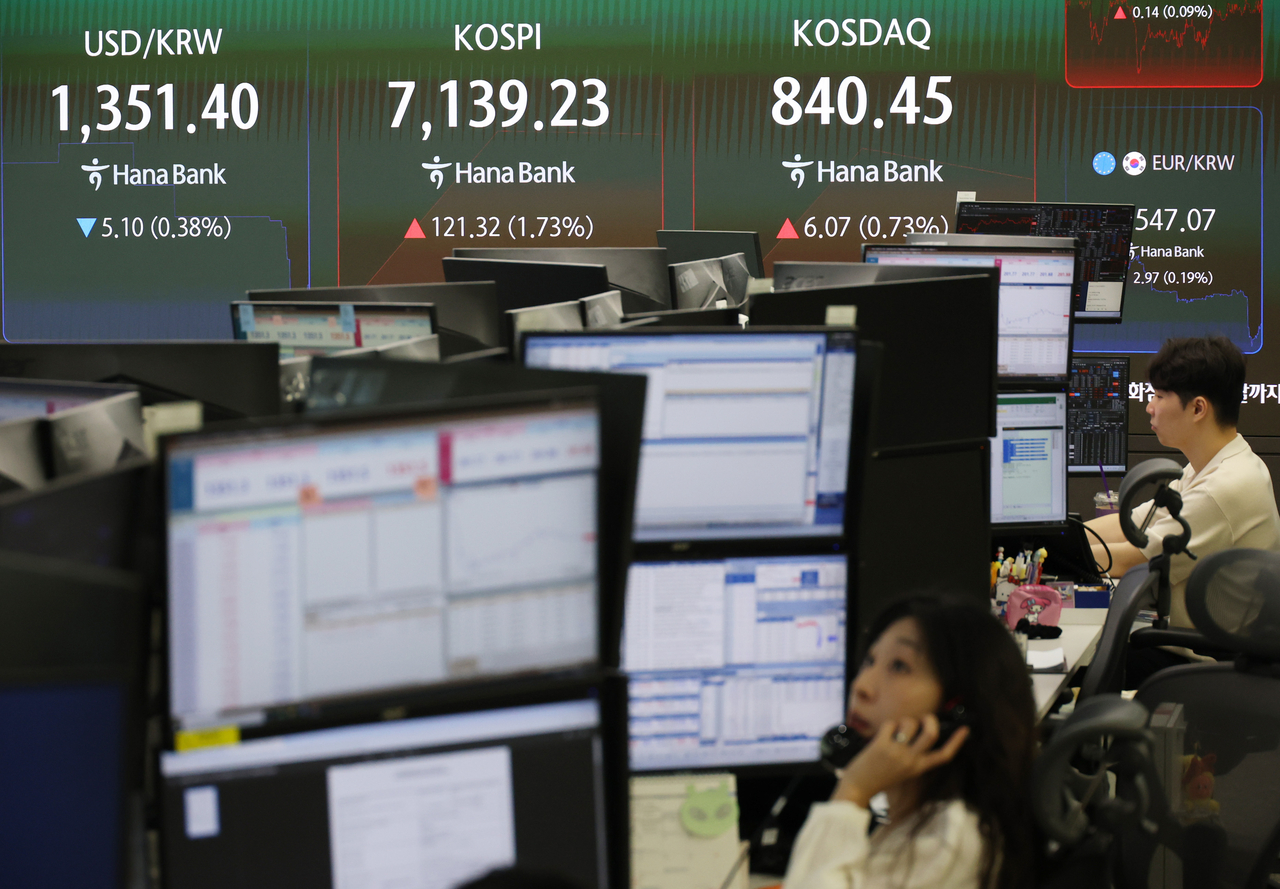
With South Korea's stock market having been the world’s most volatile earlier this year, questions are growing over whether the country's sidecar, a five-minute halt on program trading, remains effective.
Sidecars, a key market safeguard, have been triggered far more frequently this year than ever before. The benchmark Kospi has seen 49 sidecar activations, nearly double the 26 recorded in 2008 at the height of the global financial crisis. The secondary Kosdaq has also seen 32 sidecar interruptions this year, surpassing the 19 recorded in 2008.
Neither the Kospi nor the Kosdaq has recorded a sidecar trigger since the beginning of September, but a resurgence in volatility could bring another bout of sharp swings in stock prices.
While sidecars are designed to slow the spillover of sharp futures-market movements into the cash market through trading programs, market experts say the mechanism is outdated and should be revised to better reflect current market conditions.
Korea's current sidecar rules were put in place in 2001. On Kospi, a sidecar is triggered when the Kospi 200 futures price rises or falls by 5 percent or more from the previous day’s close and the move persists for at least one minute. For Kosdaq, a sidecar is triggered when the Kosdaq 150 futures price moves 6 percent or more and the spot index moves 3 percent or more in the same direction for at least one minute.
When the sidecar system was designed, its primary focus was on preventing program trading triggered by sharp swings in futures prices from amplifying volatility in the spot market.
The market environment, however, has changed significantly since the current rules were put in place more than two decades ago, with high-frequency and algorithmic trading becoming increasingly prevalent.
This has raised questions over whether the current system, which suspends program trading orders for only five minutes…
مطلع المقال، مقتطف من The Investor. لقراءة المقال كاملًا، افتحه على موقع الناشر.
يعرض MarketNews العنوان والملخص كما نشرتهما الوسيلة الإعلامية. المقال الكامل متوفر على موقع الناشر. (www.theinvestor.co.kr)