Huang’s fall, US curbs put China’s AI computing in peril
ملخص مفصل
Chinese tech giants may soon have to overhaul how they buy artificial intelligence (AI) computing power, as Washington prepares new rules to curb their remote access to advanced…
Chinese tech giants may soon have to overhaul how they buy artificial intelligence (AI) computing power, as Washington prepares new rules to curb their remote access to advanced AI chips in overseas data centers amid the scandal that has forced Nvidia founder Jensen Huang to resign.
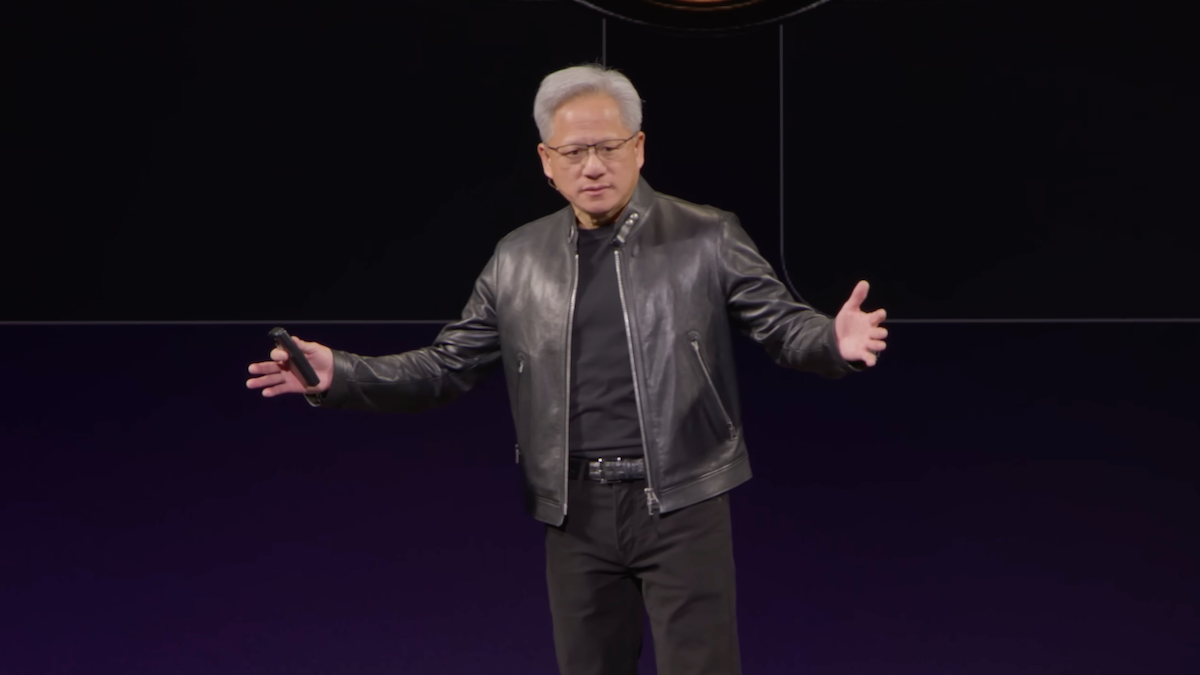
Nvidia said in a press release on Thursday that Huang, who co-founded the company in 1993, had resigned as president, chief executive officer (CEO) and board member with immediate effect.
“Jensen’s contributions to Nvidia are profound. The board and the company thank Jensen for his immeasurable contributions to the company and the industry,” said the company. Colette Kress, Nvidia’s executive vice president and chief financial officer, will serve as interim CEO while keeping her current role until the board names a permanent successor. The board will consider both internal and external candidates. The board appointed Harvey Jones, a board member, as the company’s first-ever board chair.
Huang’s resignation came a day after The New York Times reported that he had had a relationship with Kimberly Powell, Nvidia’s vice president of health care, who reports to him. On November 8, Huang admitted to an affair with Alice Huang, a former Megaspeed International executive whom US officials suspect of spying for Beijing.
Citing two people familiar with the situation, The Information reported on Wednesday that the US Commerce Department is finalizing a long-awaited rule to curb Chinese AI firms’ remote access to advanced AI chips through data centers in other countries.
The rule, which could be announced as soon as this month, will expand existing semiconductor-related controls from the department’s Bureau of Industry and Security (BIS) to seven additional countries: Singapore, Malaysia, Thailand, Indonesia, Brazil, Norway and South Africa. These countries will need export licenses to bring in Nvidia Blackwell-class or more advanced chips.
However, data centers operated by US companies in these…
مطلع المقال، مقتطف من Asia Times. لقراءة المقال كاملًا، افتحه على موقع الناشر.
يعرض MarketNews العنوان والملخص كما نشرتهما الوسيلة الإعلامية. المقال الكامل متوفر على موقع الناشر. (asiatimes.com)