Huang’s fall exposes contradictions in America’s China strategy
Résumé détaillé
Jensen Huang’s resignation as Nvidia chief executive this week followed a convergence of corporate governance concerns, intelligence allegations and scrutiny of semiconductor…
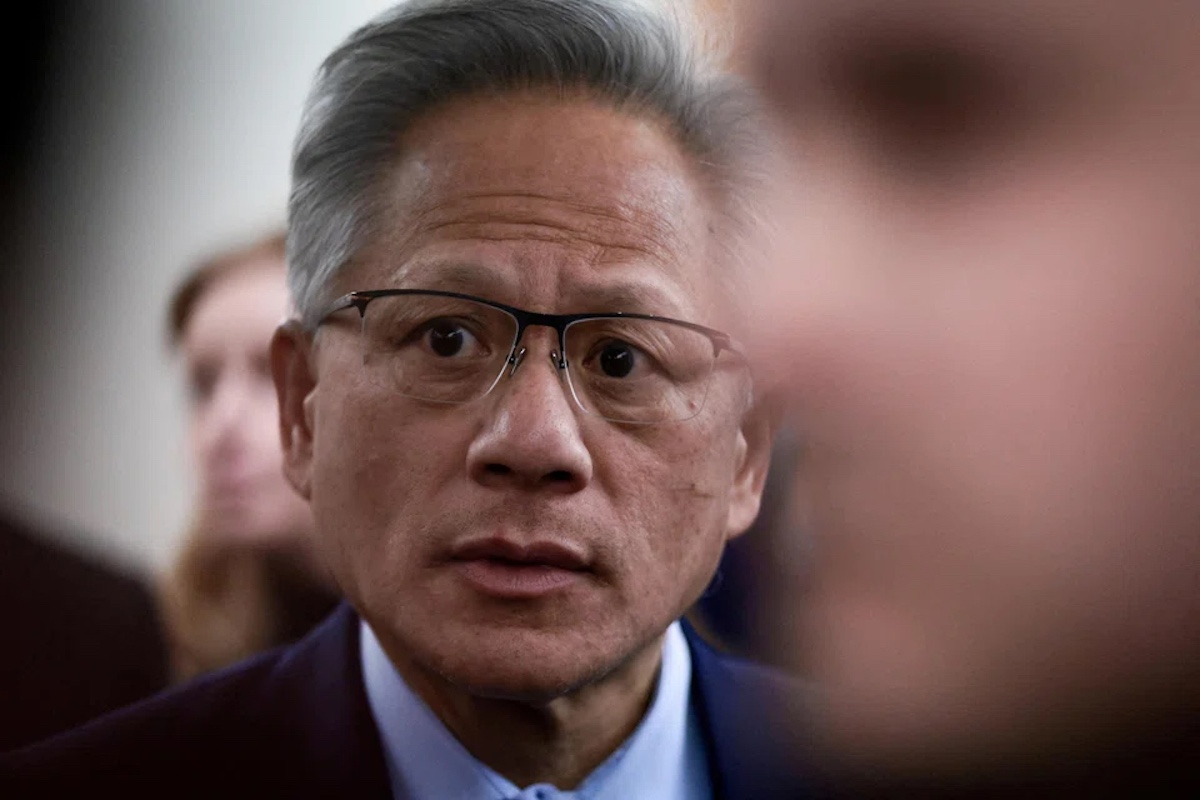
Jensen Huang’s resignation as Nvidia chief executive this week followed a convergence of corporate governance concerns, intelligence allegations and scrutiny of semiconductor exports to China.
Since Washington imposed sweeping chip controls in October 2022, tightened them in October 2023 and selectively reopened access to Nvidia’s H200 processors in December 2025, Huang has embodied the contradictions of America’s China policy. And his departure brings those tensions into sharp relief.
The immediate controversy involves Singapore-based Megaspeed International and its Malaysian subsidiary, Speedmatrix. Reuters reported on November 10 that allegations linked Huang’s relationship with former Megaspeed executive Alice Huang to at least US$7.5 billion in Nvidia chip shipments to China.
The figure and alleged diversion have not been independently verified. Nvidia’s board also faced revelations about Huang’s relationships with employees, including healthcare vice-president Kimberly Powell. Reuters subsequently reported that directors had considered removing him. Nvidia announced an independent investigation before his resignation.
The Singapore investigation complicates the espionage narrative. On November 12, Singapore’s Ministry of Home Affairs said Alice Huang had not been investigated for espionage.
Police found insufficient evidence to establish offenses related to suspected inaccurate declarations in the Megaspeed investigation, although they assessed that she knowingly provided inaccurate information about her role in the company. Investigations into Megaspeed and other individuals continue.
Huang’s departure invites speculation about political orchestration. There is no publicly established evidence that Washington engineered his removal or coordinated the disclosures.
A more persuasive interpretation is political opportunism: an internal corporate crisis has weakened a prominent advocate of commercial engagement with China, potentially benefiting American security hawks…
Début de l'article, extrait de Asia Times. Pour lire la suite, ouvrez l'article chez le média.
MarketNews présente le titre et le résumé publiés par le média. L'article complet se lit sur le site de l'éditeur. (asiatimes.com)