Toward a new global AI chip order
Résumé détaillé
Jensen Huang’s resignation as Nvidia’s chief executive has transformed a corporate scandal into an emerging geopolitical crisis for the world’s most valuable technology supply…
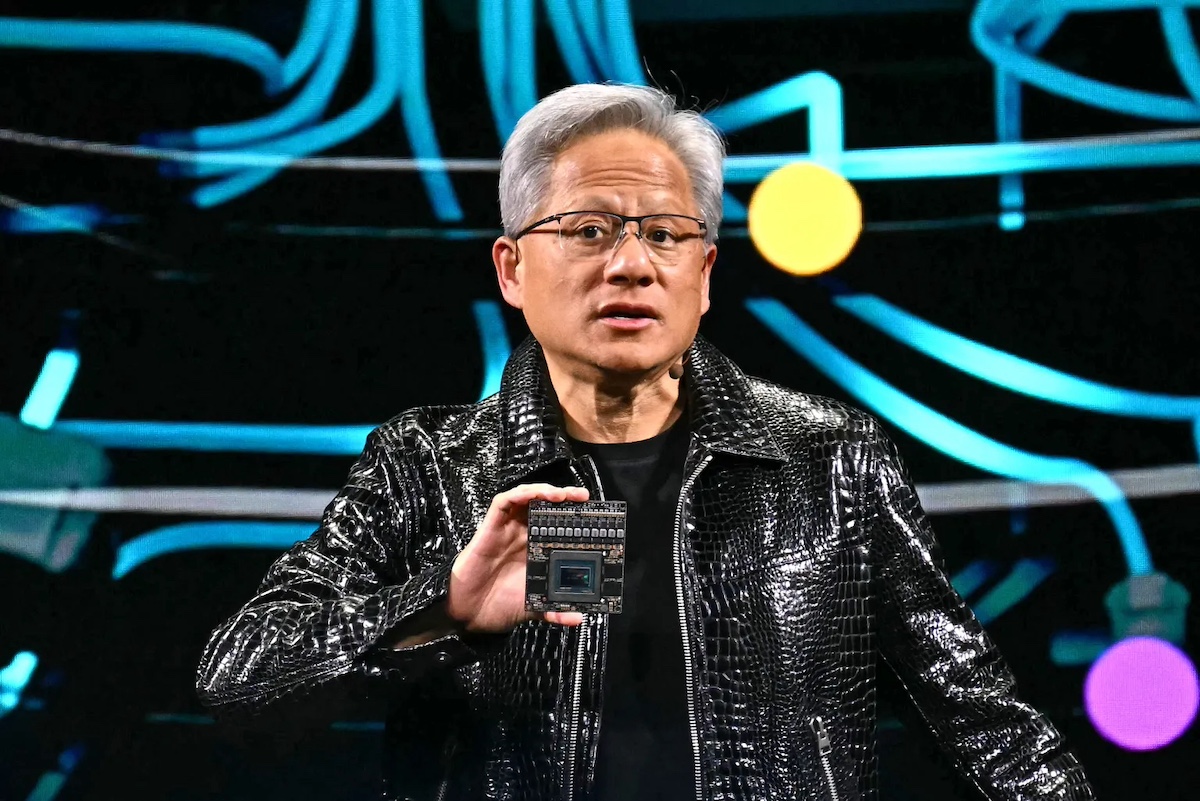
Jensen Huang’s resignation as Nvidia’s chief executive has transformed a corporate scandal into an emerging geopolitical crisis for the world’s most valuable technology supply chain. Yet the political consequences may endure long after the personal details.
The reason is simple: Nvidia is not an ordinary company. Its graphics processing units and associated networking, software and systems have become the scarce infrastructure of artificial intelligence.
They power the data centers used by technology companies, governments, research institutions and military organizations. A disruption at Nvidia therefore affects not only shareholders and customers, but the distribution of technological power among the United States, China, Europe and East Asia.
The most immediate implication is that advanced-chip trade will be treated less as commerce and more as strategic infrastructure.
The AI supply chain is already extraordinarily concentrated: US firms dominate leading-edge chip design and AI software; Taiwan produces much of the world’s most advanced logic; South Korea supplies memory and advanced packaging; Japan provides critical equipment, materials and precision manufacturing; and Singapore serves as a major logistics, financing and data-center hub.
This interdependence has long created efficiency, but it also creates vulnerability. The Huang affair gives governments a reason to ask harder questions about who ultimately receives advanced chips, who finances their purchase, who operates the resulting computing clusters, and who has access to technical and commercial information.
For Taiwan, the episode reinforces its position as both an indispensable manufacturing center and a potential flashpoint. Taipei will face continued pressure to align with US export controls while preserving the commercial relationships that sustain its semiconductor industry.
For South Korea and Japan, the likely result is closer coordination with Washington on equipment, materials, re-exports and…
The…
Début de l'article, extrait de Asia Times. Pour lire la suite, ouvrez l'article chez le média.
MarketNews présente le titre et le résumé publiés par le média. L'article complet se lit sur le site de l'éditeur. (asiatimes.com)