America’s housing squeeze is moving into the middle class
ملخص مفصل
Harvard data shows cost burdens rising fastest for renters earning $45,000 to $75,000, as their path to owning a home narrows.
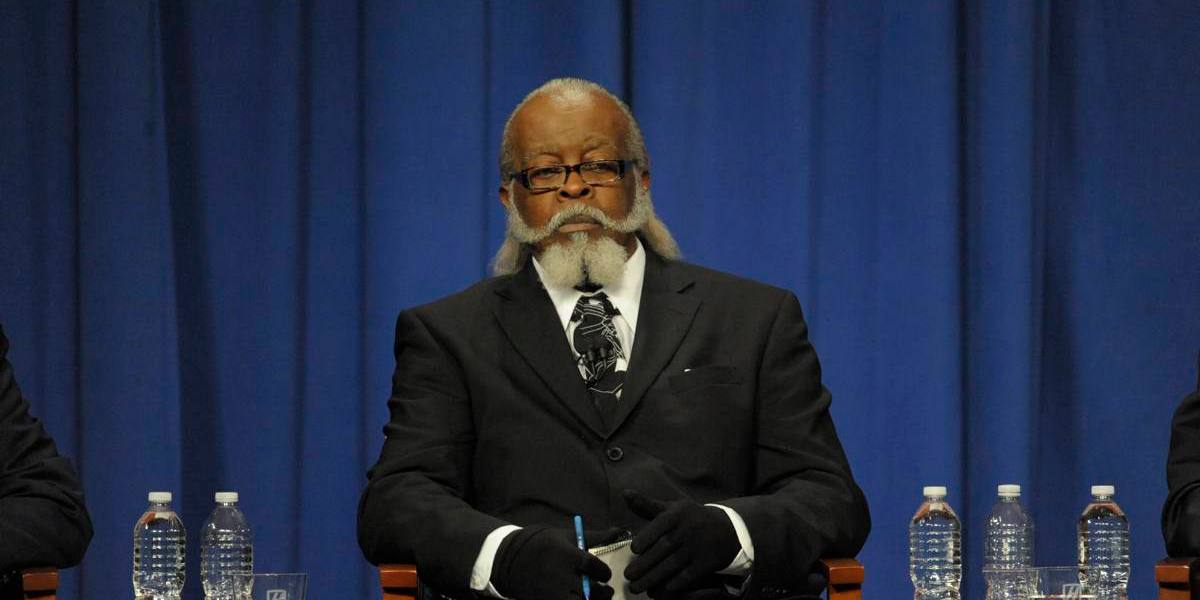
In October 2010, a Vietnam veteran in black gloves and a famous set of whiskers stole a New York governor’s debate at Hofstra University. Jimmy McMillan had founded the Rent Is Too Damn High Party, and the platform spoke for itself.
Sixteen years later, the rent is still too high for nearly half of America’s middle-income renters. Among renters earning $45,000 to $74,999, 49% spent more than 30% of their income on housing in 2024, up 9.5 percentage points since 2019, according to Harvard’s Joint Center for Housing Studies. The share continued to rise most rapidly among middle-income households, research analyst Peyton Whitney wrote in February.
The bottom had nowhere left to go. Some 83% of renters earning under $30,000 were already cost-burdened, a share that “didn’t have much room to grow,” Harvard wrote.
The middle’s way out is narrowing, too. In 2019, roughly half of home listings were affordable to a household earning about $75,000, Harvard managing director Chris Herbert said in June. Now it’s less than a quarter. The center estimates a household needs roughly $120,000 to afford a typical home.
New Bank of America payments data shows the two ends of the ladder spending even greater percentages of their income. About one in four lower-income renters and one in four higher-income mortgage holders now spend more than half their income on housing, according to BofA data through September. The bank’s Nov. 11 note didn’t give a figure for the middle third.
“Put simply, housing is still taking a big bite out of household budgets across the income spectrum,” the Bank of America Institute wrote.
The idea that housing should take no more than about a third of your pay goes back more than a century. It started as an aphorism that a family should spend “a week’s wages to a month’s rent,” drawn from studies of family budgets going back to the late 1800s, Harvard researchers wrote in a 2018 paper.
Washington later tried to turn this into a ceiling.
The 30% line is now how Harvard…
مطلع المقال، مقتطف من Fortune. لقراءة المقال كاملًا، افتحه على موقع الناشر.
يعرض MarketNews العنوان والملخص كما نشرتهما الوسيلة الإعلامية. المقال الكامل متوفر على موقع الناشر. (fortune.com)