Time is running out to protect Franz Josef from its rising river. Stopbanks won’t work forever
ملخص مفصل
Analysis: Each year, more than a million visitors pass through the small South Island township of Franz Josef/Waiau on their way to see the West Coast's glaciers and world…
Analysis: Each year, more than a million visitors pass through the small South Island township of Franz Josef/Waiau on their way to see the West Coast's glaciers and world heritage sites.
But the town faces a rising flood risk because it sits beside one of the country's most dynamic rivers.
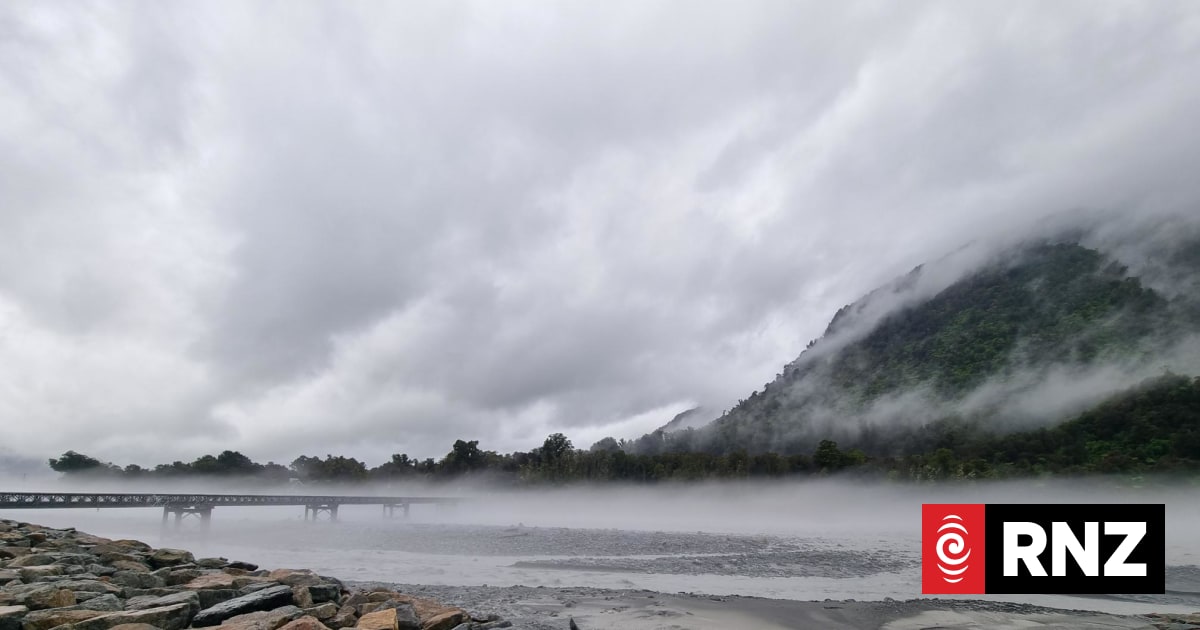
The Waiho River carries enormous quantities of gravel from the Southern Alps. As it leaves the mountains, it would naturally deposit gravel across a wide area, changing course over time.
But since the 1980s, stopbanks (artificial levees) have confined the river to about a third of its natural bed, causing gravel to build up instead of spreading. As a result, the riverbed is rising by about 20 centimetres a year, three times faster than it would naturally.
In 2023, as members of the independent Waiho Technical Advisory Group, we warned that the rapidly rising riverbed posed an increasing threat to the town.
We recommended a ten-year plan centred on giving the river more room to move and deposit its gravel, rather than relying on ever-higher stopbanks.
The physics is simple: feeding the same amount of gravel into a smaller area makes the riverbed rise faster. As the riverbed rises, the safety margin provided by the stopbanks shrinks.
When the group reconvened in August this year to review progress, we found the river was changing faster than the plan was being implemented.
Time is running out fast. Keeping the town safe will require an approach to river management that offers lessons for other communities in New Zealand and around the world facing similar challenges.
مطلع المقال، مقتطف من RNZ. لقراءة المقال كاملًا، افتحه على موقع الناشر.
يعرض MarketNews العنوان والملخص كما نشرتهما الوسيلة الإعلامية. المقال الكامل متوفر على موقع الناشر. (www.rnz.co.nz)