Austria tightens laws against spying to protect the international organizations it hosts
Résumé détaillé
Austria has launched plans to tighten its espionage laws, which currently only ban spying against Austria itself
Want to bookmark your favourite articles and stories to read or reference later? Start your Independent Membership today.
Austria's government on Wednesday launched plans to tighten the country's laws against spying, which at present explicitly ban espionage directed against Austria itself but not if it targets other countries or international organizations.
Austria is a European Union member that has a policy of military neutrality dating back to the 1950s. Its capital, Vienna, is host to several U.N. agencies including the International Atomic Energy Agency. It is also the home of other international groups such as the Organization for Security and Cooperation in Europe and the Organization of the Petroleum Exporting Countries, or OPEC.
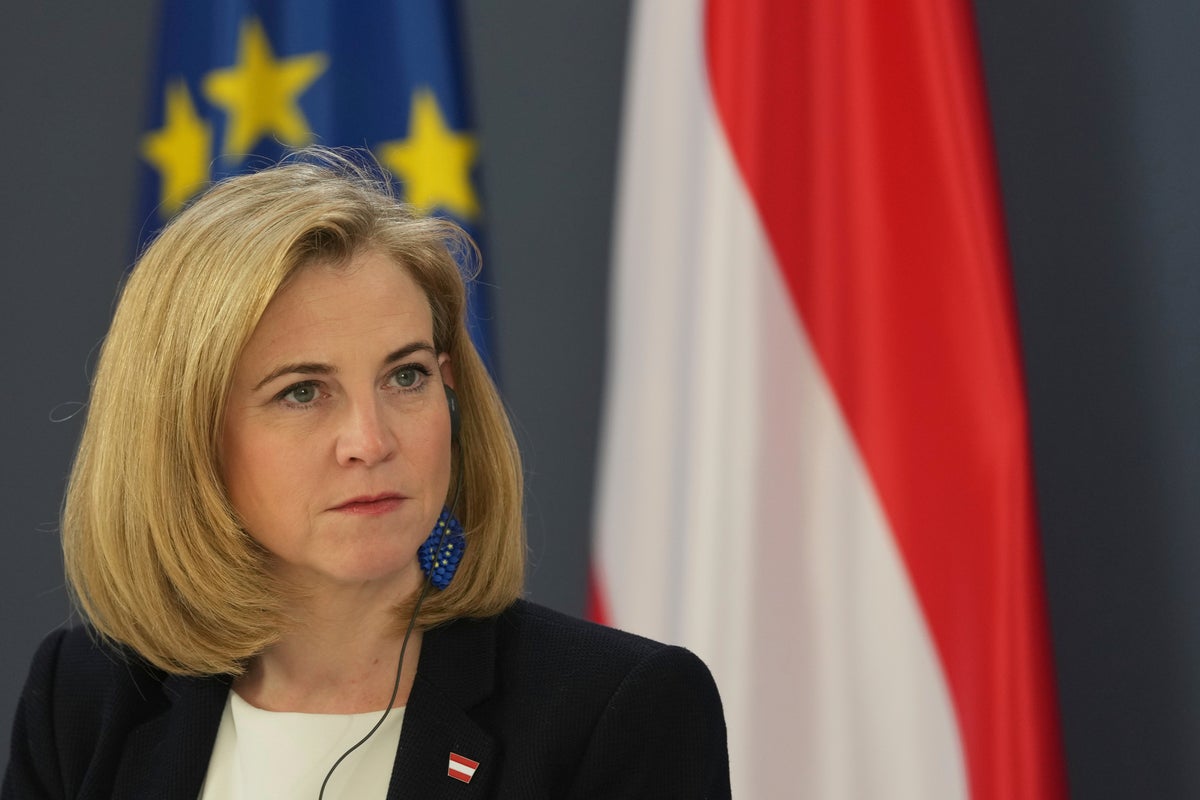
“Espionage is a real threat to our security, to security in our country, but above all to our reputation as Austria, as the capital of dialogue, as an official location of the U.N. and over 40 international organizations,” Foreign Minister Beate Meinl-Reisinger said as Cabinet ministers presented the draft legislation. “We have a responsibility ... and we are fulfilling this responsibility.”
Meinl-Reisinger acknowledged that Vienna has often been described as a “capital of espionage,” a reputation dating back to the Cold War, but said she wants to dispense with any “romantic idea” of spying.
She said that “we are responding to the current hybrid threat situation.” That's a term for non-conventional hostile acts such as sabotage, cyberattacks, disinformation and an array of other methods.
Austria’s criminal code currently states that anyone who “sets up or operates a secret intelligence service to the detriment of the Republic of Austria or supports such an intelligence service in whatever way” faces a prison sentence of up to five years. It also bans setting up, operating or supporting a “military intelligence service” for a foreign power.
The new legislation, which requires parliamentary approval, will increase the maximum sentence for…
O…
Début de l'article, extrait de The Independent. Pour lire la suite, ouvrez l'article chez le média.
MarketNews présente le titre et le résumé publiés par le média. L'article complet se lit sur le site de l'éditeur. (www.independent.co.uk)