How sensory menus can make dining out easier for people with autism
Résumé détaillé
Will a dish be crunchy or soft, served hot or cold? Mastercard and Accenture Song have developed an AI tool to help restaurants provide such details to diners with autism or…
Will a dish be crunchy or soft, served hot or cold? Mastercard and Accenture Song have developed an AI tool to help restaurants provide such details to diners with autism or sensory sensitivities before they order.
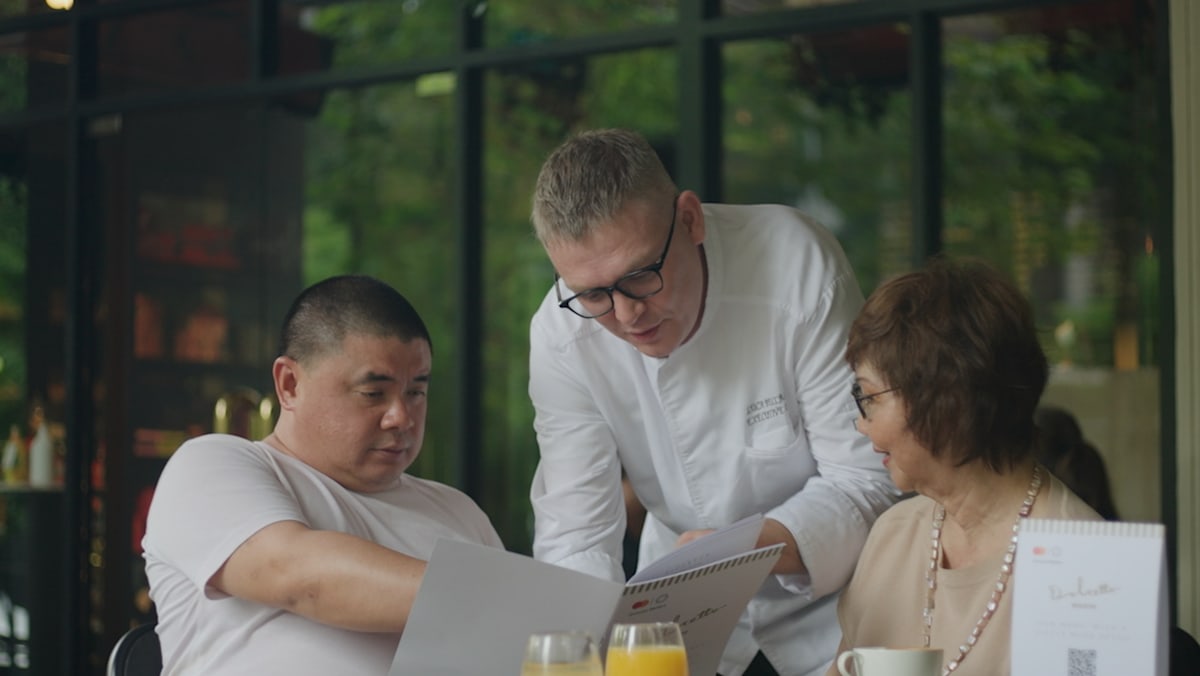
At Dolcetto Mercatino in Conrad Singapore Orchard, diners can find out more than what a dish contains or costs. By scanning a QR code or reading a printed menu, they can learn about its texture, temperature and presentation before ordering.
For example, the menu explains that the mozzarella on Tommy’s Burrata and Truffle Pizza is hot while the burrata is cold. It also describes the cheeses’ creamy texture and the earthy aroma of black truffle – details an ingredients list alone might not convey.
For some people with autism or sensory sensitivities, such information can take some of the uncertainty out of choosing a meal.
“Sensory Notes adds information to the dining experience; it does not replace the role of the hospitality team,” said Conrad Singapore Orchard general manager Thomas Hoeborn. Staff remain available to answer questions, give guests time to decide and provide further help when needed, he added.
The hotel is Mastercard’s first hospitality partner in Singapore to roll out Sensory Notes. Its experience at Dolcetto Mercatino will help Mastercard understand how the approach works in everyday restaurant operations and what businesses may need to sustain it.
Sensory Notes was created by creative and public relations agency Eleven for Mastercard Inclusion Matters, and launched in Australia in January this year in collaboration with Mastercard, with input from autism research organisation Autism CRC and autistic Australians. The idea grew from a “designing for the edges” approach – starting with needs that conventional dining experiences may overlook.
But creating sensory menus manually can add to a restaurant’s workload. “While businesses recognised its value, creating sensory descriptions and designing an entire menu manually added to the work required…
T…
Début de l'article, extrait de CNA. Pour lire la suite, ouvrez l'article chez le média.
MarketNews présente le titre et le résumé publiés par le média. L'article complet se lit sur le site de l'éditeur. (www.channelnewsasia.com)