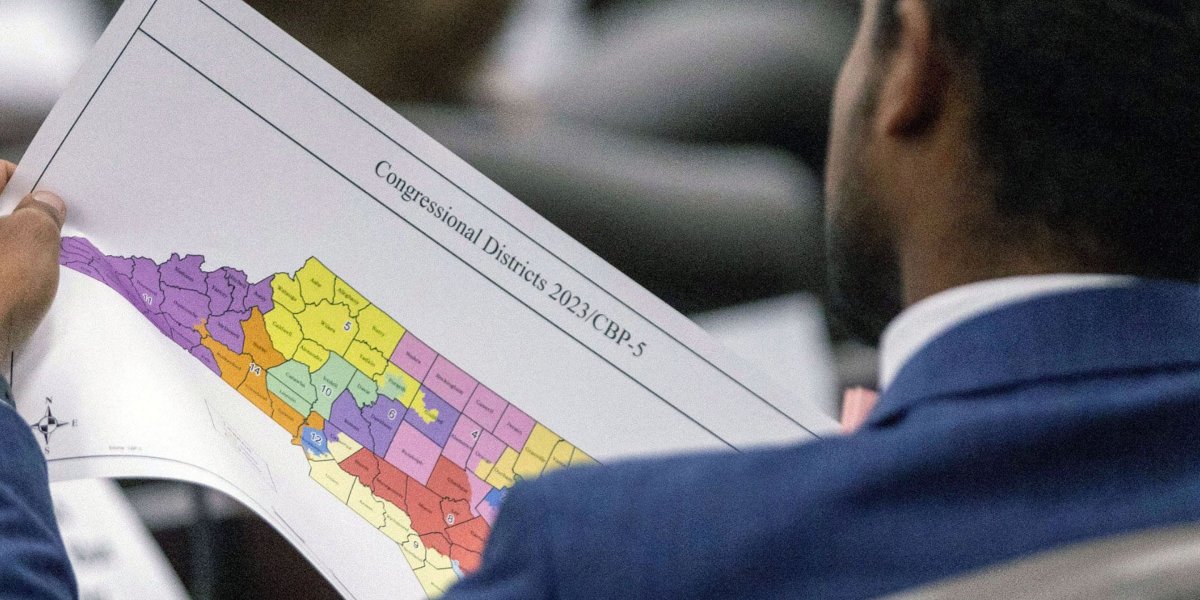
Republicans redrew North Carolina to win nearly two-thirds of its House seats — the blue wave left them poised to hold less than a third
Résumé détaillé
In Ohio, a gerrymander that aimed for a two-thirds GOP majority in their House delegation will net them less than half of that in the 120th Congress.
During the 2026 election cycle, Republicans enacted a series of gerrymanders – a form of partisan redistricting – in a handful of states to give them a disproportionate edge over Democrats in their congressional delegations. Democrats responded with a successful redistricting effort in California and an unsuccessful one in Virginia.
Gerrymandering has obvious implications for fairness and democracy, characterized by some as politicians picking their voters, not voters picking their politicians.
There’s also a practical consideration for those doing the gerrymandering: The efforts can fail when they overplay their hand.
By spreading their supportive voters across many districts, parties can create more seats that may lean in their direction. But if spread too thin, these efforts can backfire and net seats for the other party, particularly in a “wave” election year that favors the other party. This unintended consequence is often referred to as a “dummymander.”
So, with such massive Democratic majorities poised to enter the 120th Congress, did Republican attempts to gerrymander actually end up costing them some seats in the U.S. House?
Republican state legislatures in Ohio and North Carolina redrew their congressional maps in 2025, crafting a set of districts they believed would maximize the number of seats they could win in the House.
Despite both states being traditionally competitive in statewide elections, their state legislatures drew a collection of seats Republicans believed they would win: 12 of these 15 new seats in Ohio and 11 out of 14 in North Carolina included a majority of voters who voted for Donald Trump in the 2024 presidential election.
But in 2026, Democrats across the country won dozens of seats that had previously seemed out of reach, including districts Trump won by double digits in 2024. Many of these seats were in heavily gerrymandered Republican seats.
In Ohio and North Carolina, the size and scope of the midterm backlash against Trump and his party…
Début de l'article, extrait de Fortune. Pour lire la suite, ouvrez l'article chez le média.
MarketNews présente le titre et le résumé publiés par le média. L'article complet se lit sur le site de l'éditeur. (fortune.com)