Nightmares explained, and why we have them at all
Résumé détaillé
Bad dreams are much more common than we might imagine, and for some people they are frequent and disturbing. Today we look at why we have them, what makes them worse, and what can…
Bad dreams are much more common than we might imagine, and for some people they are frequent and disturbing. Today we look at why we have them, what makes them worse, and what can be done for nightmares.
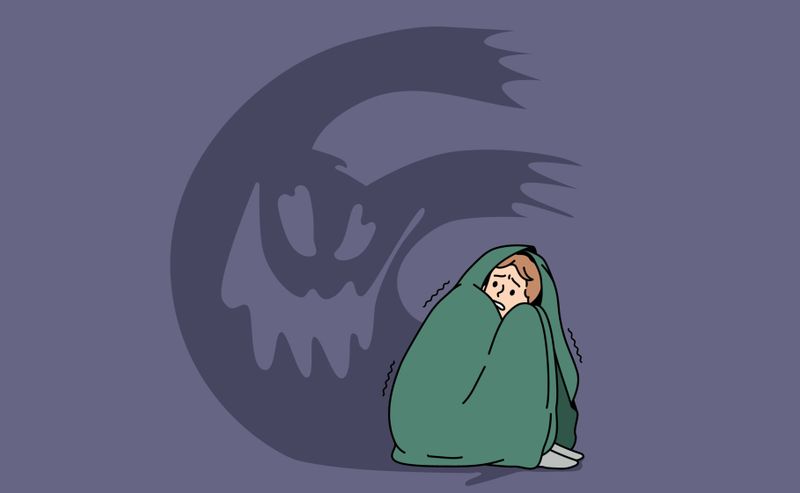
Have you ever had a bad dream? One that is awful in some way, from which you wake with a residue of unpleasantness lingering almost like a hangover? Nightmares are incredibly common, with at least 70% of adults having one, yet I suspect this number might be a low estimate. Of remembered dream emotional tones, 80% of dreams contain negative emotions, ranging from apprehension to anger, confusion and sadness. And of those who have nightmares, 2% to 5% of people will have them frequently (more than one a week).Since it is such a common phenomenon, it is probably worth understanding a bit more what bad dreams are and what they mean.
There are three kinds of bad dreams, and this seems a good place to start.
To answer this we need to answer a much more challenging question: why do we have dreams at all?
It might surprise you that this is still very much a developing area of research, with no clear consensus. They seem to be involved in the process of learning, and unlearning, and part of the cognitive maintenance of sleep. There is often continuity of either content of mind (such as events) or emotional tones from waking. There might then be a general “spillover” effect from the content of day-to-day experience, with a negative bias for unpleasant contents. One explanation that points to why we might have nightmares is the threat simulation theory, which states that bad dreams might be ways of understanding and rehearsing for negative experiences we might have.
Some people are more predisposed to nightmares, especially if they have more anxious or neurotic personalities. They can be triggered by traumatic experiences, and made worse under periods of acute stress (more of the “spillover”).
The leading treatment for nightmares is image rehearsal therapy (IRT).
An analogy of a…
Début de l'article, extrait de Daily Maverick. Pour lire la suite, ouvrez l'article chez le média.
MarketNews présente le titre et le résumé publiés par le média. L'article complet se lit sur le site de l'éditeur. (www.dailymaverick.co.za)