Sodium-ion batteries gain ground with more than 70 GWh in supply deals
ملخص مفصل
Sodium-ion batteries cost more upfront than LFP, but Wood Mackenzie estimates they could cost 21 per cent less to own and operate over a 20-year storage project. The post…
Sodium-ion batteries are entering commercial production with more than 70 GWh of supply agreements, according to Wood Mackenzie. The firm expects leading manufacturers to match lithium iron phosphate (LFP) batteries on cell costs by the end of 2026, with cost parity for modules and complete systems expected after 2030.
In the race to deliver enough battery capacity to supply the duelling demands of stationary battery energy storage systems (BESS) as well as batteries for the automotive sector, battery manufacturers are pushing development of alternative battery chemistries to find the best solution for each sector.
Sodium-ion batteries (SIBs) use sodium in place of lithium. Lithium iron phosphate (LFP) batteries still use lithium, but their cathodes use iron and phosphate in place of the nickel and cobalt found in some other lithium-ion chemistries.
But a new analysis from energy analysts Wood Mackenzie finds that SIB is establishing itself as the most cost-effective emerging alternative to lithium-ion battery storage and is expected to achieve cell-level parity with LFP amongst market leaders by the end of 2026, and module and system level cost parity post-2030.
“Sodium-ion batteries (SIBs) wins on supply chain security, cycle life, and wide thermal threshold,” said Ankita Chauhan, director of global supply chain and integrated power and renewables research at Wood Mackenzie.
“Geopolitical supply advantages and superior performance of SIB across temperature ranges drive near-term commercialisation.”
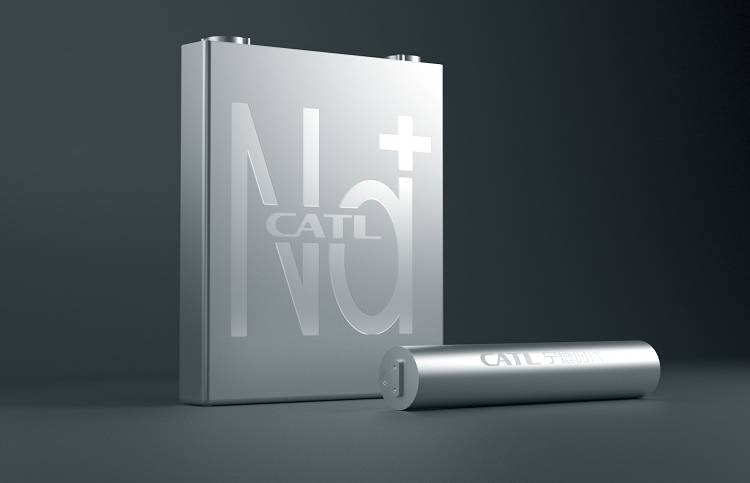
The rise of sodium-ion batteries (SIBs) is backed by significant manufacturing capacity and demand. According to Wood Mackenzie, Chinese carmaker BYD has 30 GWh of planned manufacturing capacity in China, while Chinese battery giant CATL is targeting at least 1 GWh of SIB shipments by end-2026.
Similarly, Wood Mackenzie finds that China, the US, and Europe already have significant offtake agreements, whereas India is only in the early commercial validation stage.
Wood…
مطلع المقال، مقتطف من The Driven. لقراءة المقال كاملًا، افتحه على موقع الناشر.
يعرض MarketNews العنوان والملخص كما نشرتهما الوسيلة الإعلامية. المقال الكامل متوفر على موقع الناشر. (thedriven.io)