Dong Thap shapes green and high-tech agriculture future
ملخص مفصل
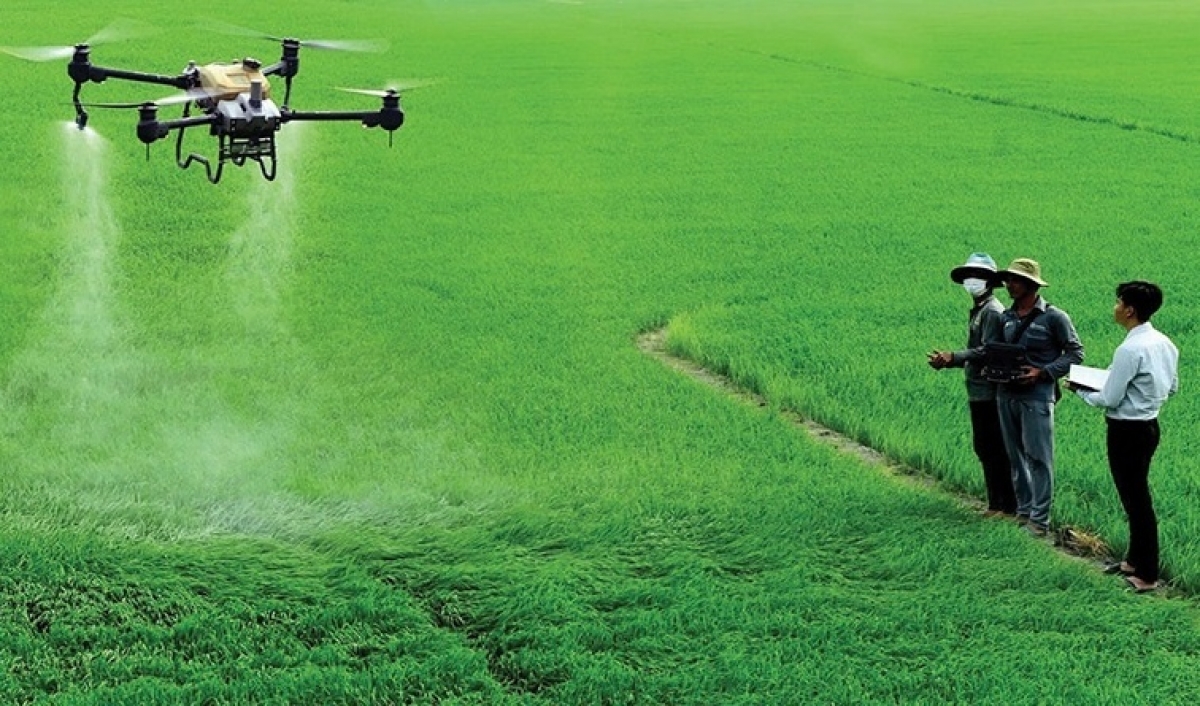
Shifting from a volume-driven mindset to a value-driven one, the Mekong Delta province of Dong Thap is taking steps to develop a green, high-tech, and digitally transformed agriculture with a focus on economic efficiency, agricultural quality, and sustainability.
Models focused on emission reduction, standard compliance, and the application of technology are opening up opportunities to improve farmers’ incomes and raise the competitiveness of local agricultural products.
In September, Dong Thap People’s Committee launched an initiative to developing the locality into a pioneer for ecological agriculture, modern rural development, and cultured farmers by 2030. The plan outlines the transition towards a green, circular, low-emission, and climate-resilient agricultural sector in association with the adoption of science, technology, and the development of sustainable value chains.
To facilitate the goal, Dong Thap has organised its production spaces into three socio-ecological zones. The Dong Thap Muoi region and the upstream area of the Tien River focus on high-quality rice, lotus, and basa fish farming. The alluvial areas along the Tien River develop specialty fruits like mangoes, durians, longans, and jackfruits, alongside the Sa Dec flower village. Coastal areas prioritise shrimp, oyster, and clam farming in association with efforts to combat illegal, unreported and unregulated fishing and promote the marine economy.
As part of the one-million-hectare, low-emission rice project, Dong Thap implemented the model in Tan Dien and Tan Hong communes during the 2026 summer-autumn crop season, covering 100 hectares across 100 households. The seeding rate has fallen from 150kg to as low as 100kg/ha while nitrogen use and pure phosphorus fertiliser have decreased by 33 kg/ha and 16.5 kg/ha, respectively.
Farmers have also adopted alternate wetting and drying irrigation with three drainage periods and no rice straw burning after harvest.
The results indicate that emissions are cut by one tonne of carbon equivalent per ha per season. Emissions per kilogramme of rice are reduced from 0.6 to 0.3kg of carbon equivalent.
The model demonstrates that low-emission farming can reduce costs, increase yields, and protect the environment.
With over…
مطلع المقال، مقتطف من Vietnam Investment Review. لقراءة المقال كاملًا، افتحه على موقع الناشر.
يعرض MarketNews العنوان والملخص كما نشرتهما الوسيلة الإعلامية. المقال الكامل متوفر على موقع الناشر. (vir.com.vn)