Women suffer more from climate change. Policymakers must recognise this
ملخص مفصل
For the first time, Australia’s climate change data will distinguish between men and women. This is long overdue.
As Australia presides over negotiations at the COP31 climate summit in Turkey, at home there are forecasts of a “very tough summer”. El Niño is predicted to bring higher temperatures, dangerous heatwaves, bushfires and extreme weather.
Despite this, one of the most overlooked climate risks is not meteorological but social. Climate change affects different groups of Australians in distinct ways, but our adaptation policies fail to account for this.
While climate change is often framed as an environmental issue – and rightly so – Australians are discovering it’s also relevant to their gender, work, housing, health and experiences of domestic violence.
At COP31, for the first time, there will be an expectation for nations to report climate data separately for women and men, rather than bundling it into a single combined total. This is a good thing: how is climate change impacting men and women, boys and girls, and non-binary people?
The United Nations describes climate change as a “threat multiplier”, amplifying existing inequalities rather than affecting everyone in the same way. Our new research shows it is already having gendered impacts on Australians.
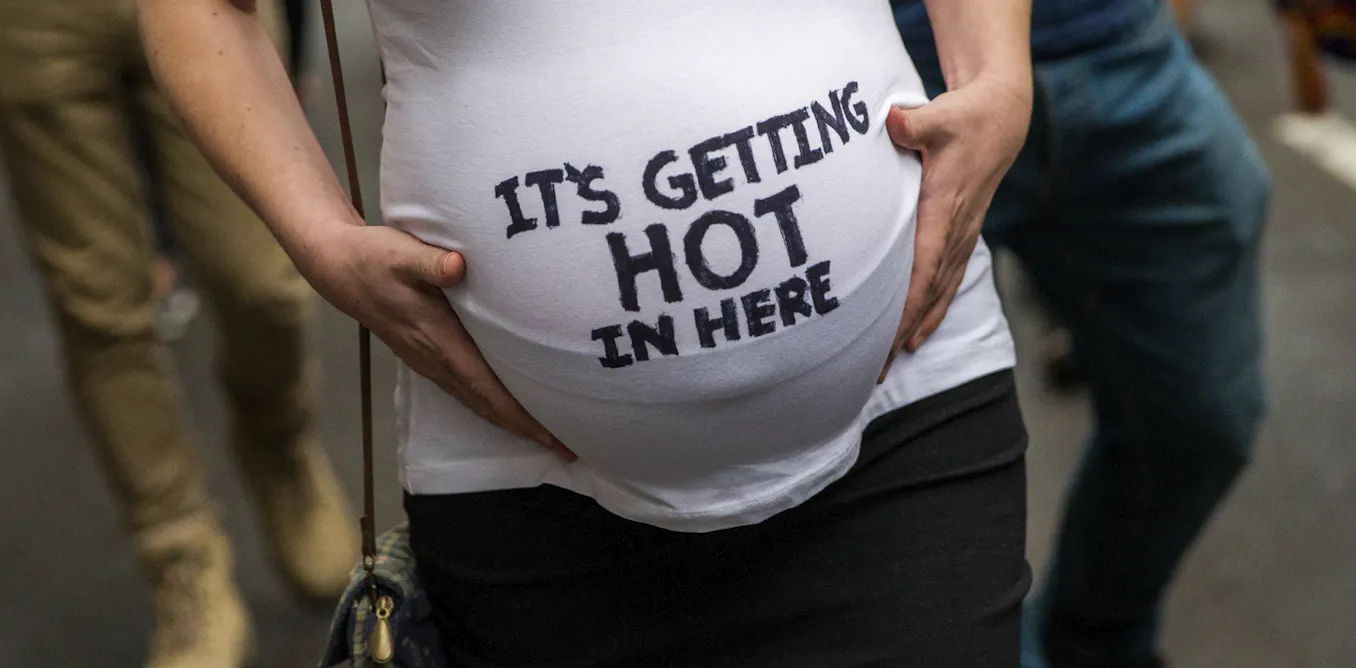
Heatwaves are the leading cause of disaster-related death in Australia, often dubbed the “silent killer”. Some groups of people are at greater risk during heatwaves. Pregnant women are at higher risk, for example, due to physiological changes that can alter the body’s response to temperature changes.
Indeed, in the 2022 European heatwave, heat-related deaths were found to be 56% higher among women, especially older women. While some male-dominated sectors have outdoor workers that are vulnerable to heat, such as construction or agricultural workers, in Australia caring professions are dominated by women – placing them at double risk of both experiencing heat-related impacts and caring for others facing the same.
Rising temperatures are also associated with increases in intimate partner violence, a trend documented both…
Our…
مطلع المقال، مقتطف من The Conversation AU. لقراءة المقال كاملًا، افتحه على موقع الناشر.
يعرض MarketNews العنوان والملخص كما نشرتهما الوسيلة الإعلامية. المقال الكامل متوفر على موقع الناشر. (theconversation.com)