'Flood' of weka sightings in Dunedin becomes a trickle
ملخص مفصل
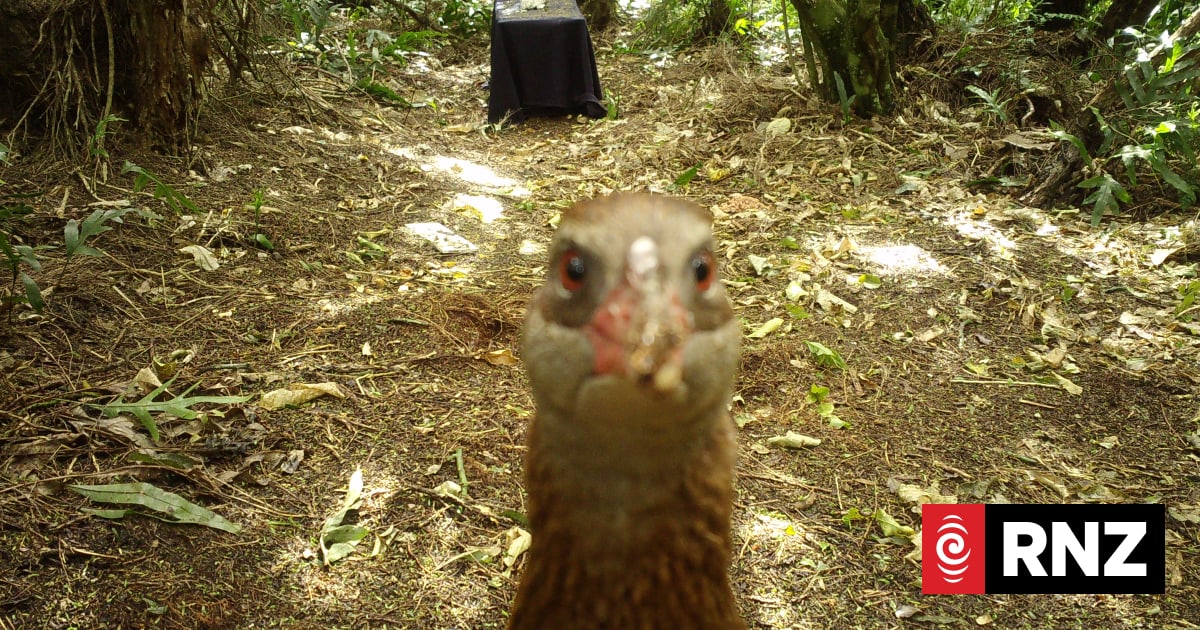
Weka look likely to disappear from Dunedin again, despite a breeding pair making their home in a northern suburb last year.
Weka look likely to disappear from Dunedin again, despite a breeding pair making their home in a northern suburb last year.
They used to live in the area - Otago Peninsula's iconic Hereweka translates to 'catch the weka' - but they were wiped out along the east coast of the South Island and now the nearest populations live a few hundred kilometres away.
Retired ornithologist Bruce McKinlay started to record weka sightings in the city over the last five years, after receiving credible reports.
Audio player for "Weka sightings spark debate over possible Dunedin return" removed for printing
Visit page to play audio: https://www.rnz.co.nz/news/eyJhbGciOiJIUzI1NiJ9._v0.KrRTFtoPsaA8nSDloPZ4KejQJr59ANQpD9ULgGwzaM0/environment/2607793%2Fflood-of-weka-sightings-in-dunedin-becomes-a-trickle
There were three clearly different groups of weka - a breeding pair in Normanby that had three broods of chicks, one at Seconds Beach at St Clair and one on the Otago Peninsula, he said.
The last sighting of the St Clair weka was in October last year and reports of the Normanby weka stopped from about March, he said.
"Weka, no matter how confident or bolshy you think they look, are susceptible to predation," he said.
Stories from iwi suggested weka were an important seasonal food in the area before European settlement and hapū would travel to harvest weka at the right time, he said.
مطلع المقال، مقتطف من RNZ. لقراءة المقال كاملًا، افتحه على موقع الناشر.
يعرض MarketNews العنوان والملخص كما نشرتهما الوسيلة الإعلامية. المقال الكامل متوفر على موقع الناشر. (www.rnz.co.nz)