Iran war to cost Gulf US$200b in damage, US$790b in lost output by 2030, says insurer
Résumé détaillé
The US-Iran war will cost Gulf countries more than US$200 billion (RM814.7 billion) in damage and economic losses could reach nearly four times that amount ...
DUBAI, Nov 11 — The US-Iran war will cost Gulf countries more than US$200 billion (RM814.7 billion) in damage and economic losses could reach nearly four times that amount by 2030, insurer Allianz Trade said on Wednesday.
Gulf countries bore the brunt of Tehran’s wrath after the United States and Israel launched attacks on Iran on February 28, triggering the war.
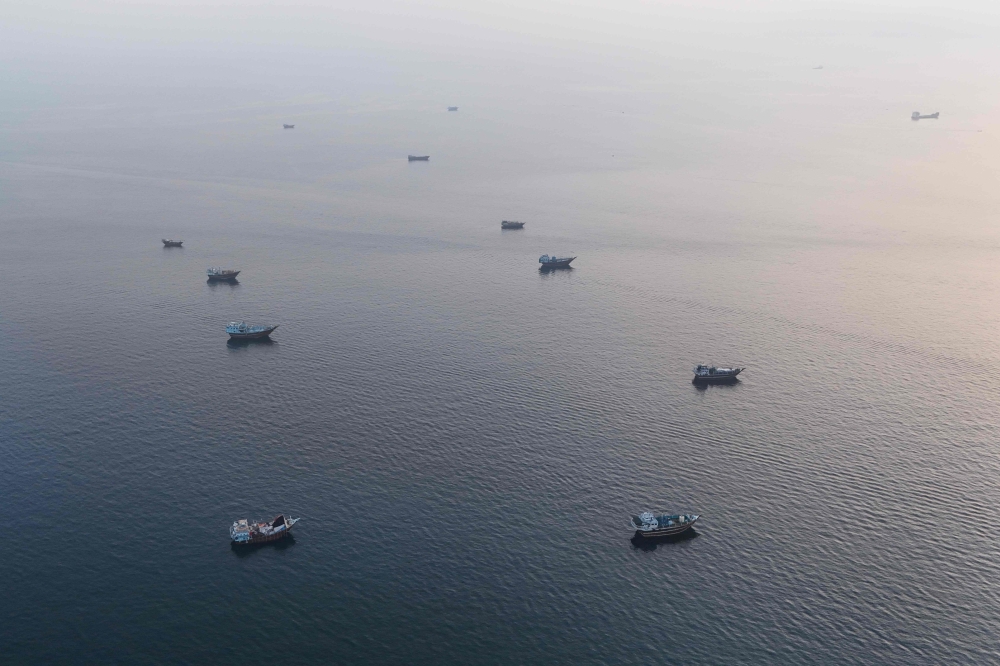
In retaliation, Iran restricted shipping in the key strait of Hormuz and struck civilian infrastructure including airports, seaports, energy facilities, landmarks and American assets in the US-allied countries.
“Physical damage across the region is assessed just above US$200 billion, mostly concentrated in Hormuz-locked economies, especially in energy infrastructure,” the insurer said in a report.
More than 80 energy facilities were hit in the war, mostly in Kuwait, Qatar and Bahrain, the report said, with a third of them “severely damaged”.
Beyond physical damage to energy infrastructure, the war has affected other sectors like tourism and real estate, which will see slower growth over the years.
“The total cost of the war for the GCC is set to reach US$790 billion, a cumulative gap of 5.9 per cent of GDP relative to the pre-war trend through 2030,” the report said.
“This reflects the cumulative loss of economic output over 2026-30, the difference between what the region was forecast to produce on its pre war-growth trend and what it is now projected to produce post-war,” it said.
To make up for the losses, Gulf states are expected to reallocate sovereign wealth fund capital to domestic projects.
Début de l'article, extrait de Malay Mail. Pour lire la suite, ouvrez l'article chez le média.
MarketNews présente le titre et le résumé publiés par le média. L'article complet se lit sur le site de l'éditeur. (www.malaymail.com)