Bigger and more-frequent wildfires threaten water supplies across the US
Résumé détaillé
Wildfires leave behind charred trees and scorched vegetation that impact the streams and rivers providing drinking water to much of the country, and new studies show that…
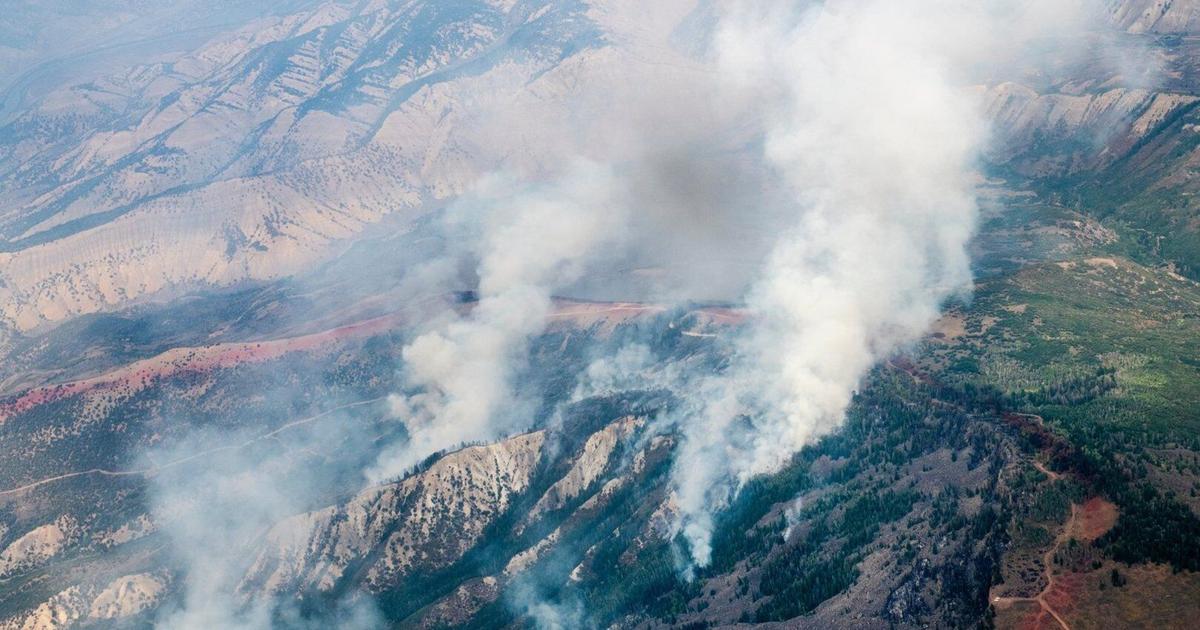
Wildfires leave behind charred trees and scorched vegetation that impact the streams and rivers providing drinking water to much of the country, and new studies show that contamination could remain for more than a decade.
These findings about the longevity of contamination in the nation’s drinking water supplies are especially concerning as climate change and increasingly strong El Niño weather events, which intensify drought conditions, have led to bigger and more frequent wildfires in the U.S. So far in 2026, there have been 68,179 blazes burning more than 9.5 million acres (3.8 million hectares).
After a wildfire sweeps through hillsides and forests, rains carry ash and organic matter into the streams that feed water treatment plants for towns and cities alike. Communities are working to adapt, but it can take years and require stopgap solutions.
People in the City of Las Vegas, New Mexico, went without water for months after the Hermit’s Peak/Calf Canyon wildfire contaminated the Gallinas River in 2022. In the four years since, they’ve had to give residents bottled water and ship tanks in from nearby towns as they collected funds to build a new treatment plant.
Karen Pettine, who has owned the Hillcrest Restaurant for 50 years, said the water crisis forced them to close, sometimes for a week at a time.
“It’s hard to run a restaurant without good water,” she said. “We used some paper plates at times. They brought in semi-truckloads of bottled water. You could pick up four cases at a time. The water situation is ongoing because when it rains, it floods and it brings dirty water down the stream.”
Las Vegas Mayor David Romero said climate change has made the things that used to be reliable less predictable.
Wildfires are a natural part of forest ecosystems, but an increase in their severity has made areas that capture, filter and regulate the flow of water, known as watersheds, vulnerable, said Amanda Hohner, an assistant professor at Montana State University who…
Forested…
Début de l'article, extrait de Toronto Star. Pour lire la suite, ouvrez l'article chez le média.
MarketNews présente le titre et le résumé publiés par le média. L'article complet se lit sur le site de l'éditeur. (www.thestar.com)