Why PM Modi wants India's farmers to look beyond wheat, rice and sugarcane
ملخص مفصل
The Prime Minister outlined alternative income streams at the Kisan Tak Bharat Agriculture Conference. The pitch urged farmers to look beyond wheat, rice and sugarcane.
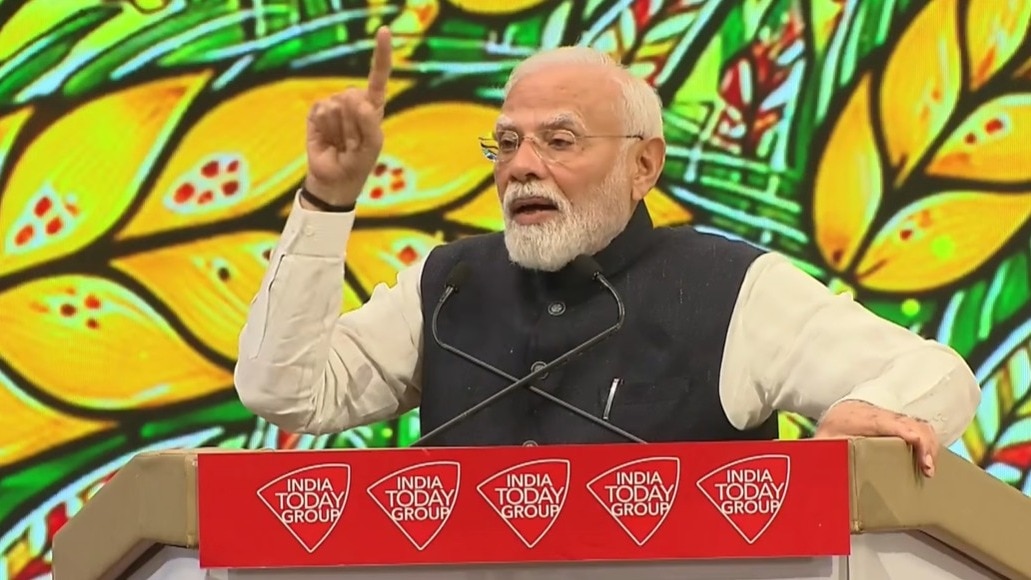
India's farm story has long revolved around three crops: wheat, rice and sugarcane. On November 12, Prime Minister Narendra Modi urged farmers to look beyond this familiar combination, pitching milk, fish, honey, solar power and food processing as new ways to earn.
Speaking at the Kisan Tak Bharat Agriculture Conference in New Delhi, he made the case for diversifying farm incomes, reducing dependence on a handful of crops and easing pressure on natural resources.
"Farmer brothers should not remain dependent only on wheat, rice, and sugarcane," Modi said.
There is a resource concern behind this push. Rice and sugarcane are water-intensive crops, and their cultivation has put pressure on groundwater reserves. Haryana, for instance, extracts around 137 per cent of the groundwater it recharges annually, according to a recent roundtable.
Modi also said soil-testing laboratories had increased from a few hundred in 2014 to more than 8,400. Soil testing can help farmers choose crops better suited to the water and soil conditions of their land.
Modi wants farmers to supplement crop cultivation with allied activities such as dairy, poultry, fisheries and beekeeping.
Citing the growth in these sectors, he said milk production had risen nearly 70 per cent in a decade and egg production nearly 90 per cent. Fish production had more than doubled, while honey output had increased from around 80,000 tonnes to 1.5 lakh tonnes. Horticulture production had grown from 280 million tonnes to over 350 million tonnes.
He also said free vaccination against foot-and-mouth disease had covered animals belonging to more than 8 crore farmers. These are figures cited by the Prime Minister and have not been independently recalculated.
Nearly 12 lakh solar pumps have been distributed under PM-KUSUM, the scheme promoting solar-powered irrigation. Besides reducing electricity costs, farmers can potentially earn by supplying surplus electricity to the grid.
مطلع المقال، مقتطف من India Today. لقراءة المقال كاملًا، افتحه على موقع الناشر.
يعرض MarketNews العنوان والملخص كما نشرتهما الوسيلة الإعلامية. المقال الكامل متوفر على موقع الناشر. (www.indiatoday.in)