‘A complete reversal’: China once feared becoming roadkill for Western automakers, but a quarter-century after joining the WTO, the tables have turned
Resumen detallado
Long before Europe worried about Chinese cars flooding its markets, China worried Europe would destroy its auto industry.
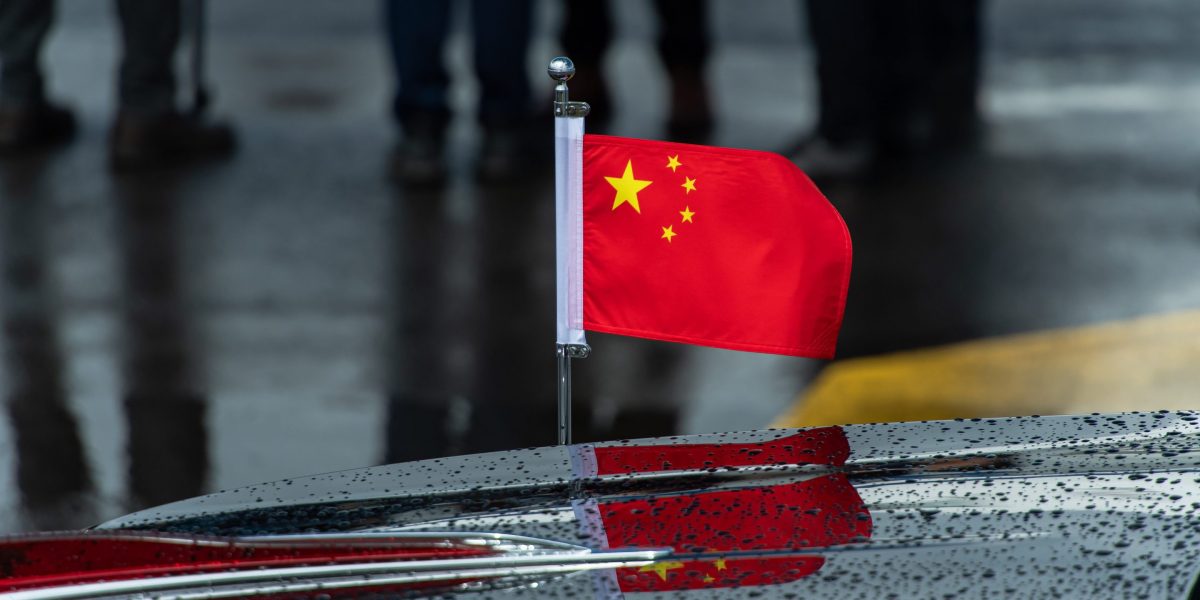
There was a time when China worried about competing with European carmakers. In the years leading up to China joining the World Trade Organization in 2001, the warning that circulated in the auto industry was lang lai le: “the wolf is coming.”
The wolf was technically already inside the gates—China had worked with foreign carmakers like General Motors and Volkswagen in joint ventures since the 1980s—but joining the WTO meant giving up 100% tariffs and import quotas that shielded China’s domestic car industry from competitors abroad.
But despite having to lower its trade barriers, China is now the dominant carmaker, producing over 7 million cars in the first quarter of 2026, according to the International Organization of Motor Vehicle Manufacturers. That’s almost twice the production of every EU country and the U.K. combined (3.7 million) and more than the 2.6 million made in the U.S.
EVs helped put China on top, to the point where the EU and U.S. imposed tariffs on Chinese-made models because Chinese government backing of the EV industry led to surplus production that’s flooding overseas markets with cheap exports. Meanwhile, weak domestic demand has forced Chinese carmakers to rely on sales abroad.
Germany, whose vaunted auto industry faces an existential threat, may mandate joint ventures with China, just like China did with Volkswagen decades earlier to protect its automakers.
“There’s been a complete reversal,” Eric Thun, professor of Chinese business studies at Oxford, told Fortune.
As Beijing and local governments scrambled to meet economic growth targets, China built up its auto industry so much that it now has the capacity to produce an estimated two-thirds of the world’s car demand.
But when former General Motors Asia Pacific president Michael Dunne first visited China in 1986, then as a graduate student learning Mandarin, he told Fortune there “was no auto industry” yet.
That same year, Beijing designated auto manufacturing as a pillar in its seventh Five Year…
Inicio del artículo, extracto de Fortune. Para leer el resto, abra el artículo en el sitio del medio.
MarketNews muestra el titular y el resumen publicados por el medio. El artículo completo se lee en el sitio del editor. (fortune.com)