Scientists Detect Microplastics in Animals From Brazil’s Most Pristine Wetland
ملخص مفصل
Scientists sampled the blood of wild anteaters and tapirs in the Brazilian Pantanel—and made a few surprising finds about which animals were most at risk.
Scientists sampled the blood of wild anteaters and tapirs in the Brazilian Pantanel—and made a few surprising finds about which animals were most at risk.
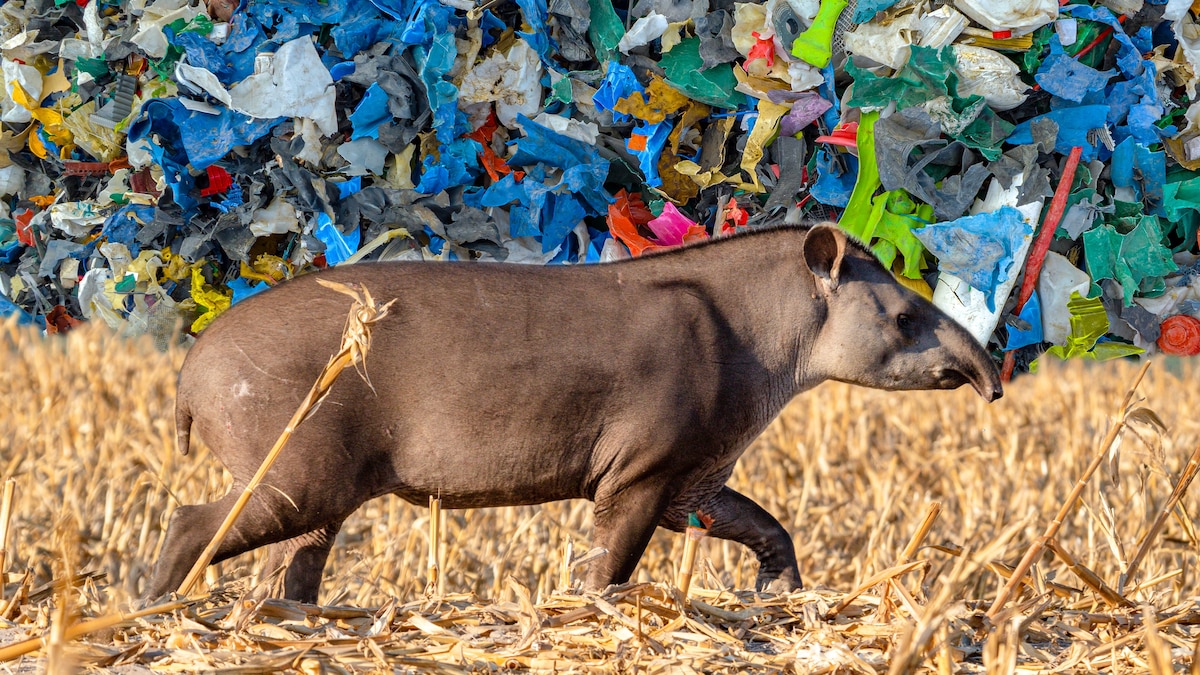
Deep in Brazil’s Pantanal, the largest and most pristine wetland in the world, the iconic tapir roams, its short snout snuffling the dirt, feeding off the twigs and seeds embedded in the ecosystem’s fertile soil. For these pony-sized mammals it’s a remote paradise, miles from any kind of human development. But running through some of their veins is an all-too-familiar imprint of industry: microplastics.
New research published Thursday in the journal Nature tracked the movements of giant anteaters and tapirs and measured the amount of microplastics in their blood.
The research found, rather unsurprisingly, that proximity to people lead to a higher level of microplastics. But more striking is that 14 animals sampled in the remote Pantanal, more than 40 miles away from the nearest town or building, also had plastic in their blood, underscoring the staggering reach of these tiny particles, which can travel through air and water.
“I honestly wish we had found no microplastics in those animals,” says Marcia Ferraz, the paper’s lead author. “Brazil has some of the most unique wildlife in the world, and it is also a place where that wildlife faces serious pressure, so finding plastic inside these animals, even in the most preserved places, was hard to see.”
The paper adds to a growing body of researching documenting microplastics in some of the world’s most untouched places. A study published in October found them in the snowpack that blankets remote parts of the Sierra Nevada. Microplastics have been linked to health problems including heart disease and cognitive decline, making their ubiquity concerning and urgent to understand.
While studies have measured where microplastics are present and how they move through marine food webs, there’s relatively little research studying all the direct and indirect ways microplastics…
“From…
مطلع المقال، مقتطف من National Geographic. لقراءة المقال كاملًا، افتحه على موقع الناشر.
يعرض MarketNews العنوان والملخص كما نشرتهما الوسيلة الإعلامية. المقال الكامل متوفر على موقع الناشر. (www.nationalgeographic.com)