In 2025, a study reported PFAS levels in the Rio Grande rose 11.5-fold downstream of Albuquerque, from 4 to 46 ng/L in 2020–24 samples
Résumé détaillé
A 2025 study found PFAS levels rose from 4 to 46 ng/L through Albuquerque, while earlier research traced runoff and wastewater inputs.
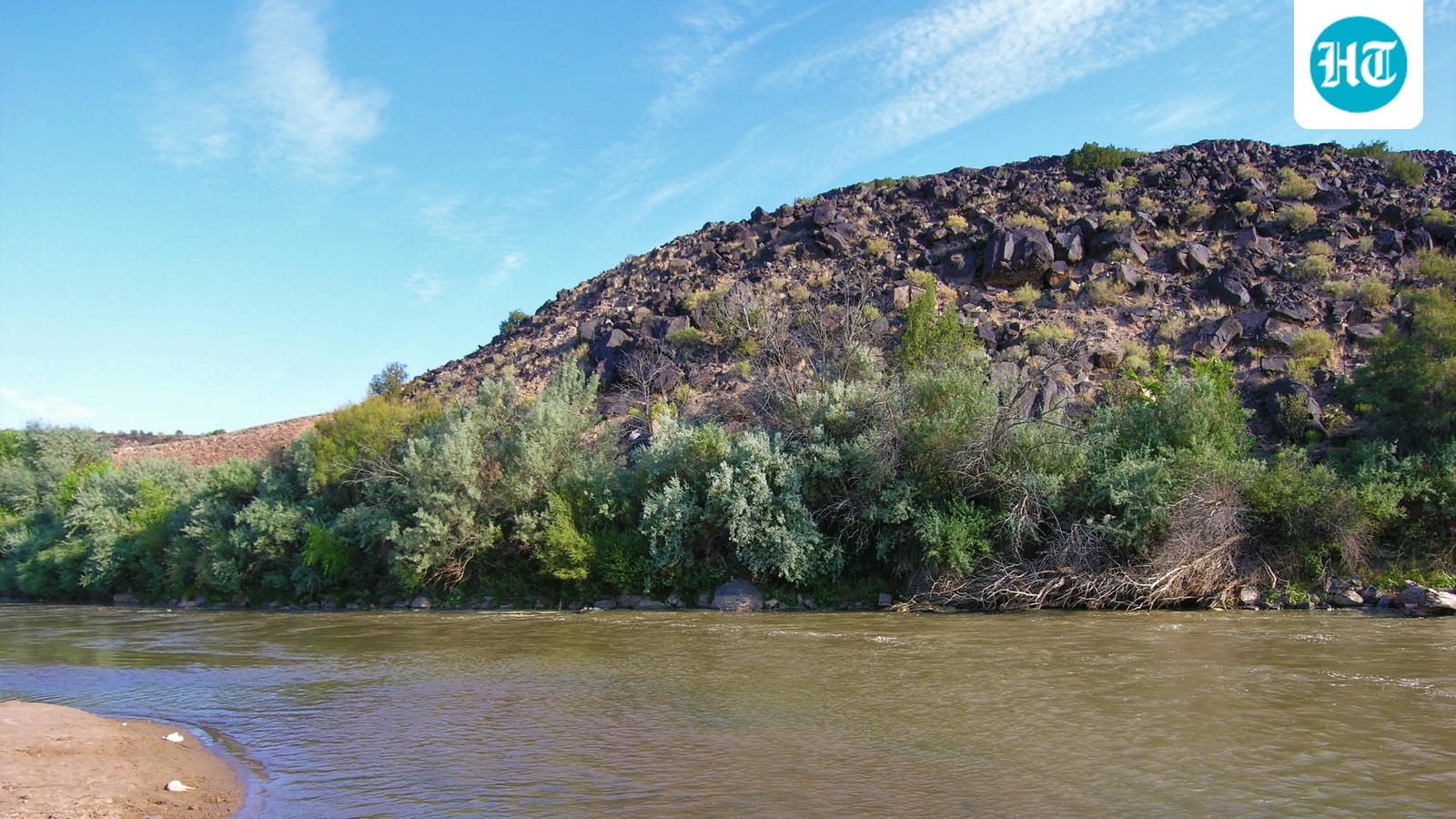
A 2025 study published in Water Environment Research found that per- and polyfluoroalkyl substance levels in the Rio Grande flowing through Albuquerque, New Mexico, increased tenfold. The average concentration rose from 4 to 46 nanograms per liter (ng/L), an approximately 11.5-fold increase.
Kimberly R. Beisner, a U.S. Geological Survey researcher, analyzed 28 PFAS in eight major rivers. Samples were collected between 2020 and 2024. The study detected 13 PFAS compounds at concentrations ranging from below laboratory detection limits to about 156 ng/L. The survey involved sampling in the Rio Grande, Pecos, San Juan, Animas, Canadian, Gila, Rio Chama, and Rio Puerco rivers. Perfluorobutanesulfonic acid (PFBS) was the most common compound in terms of frequency and concentration, ranging from 1 to 93 ng/L. The second and third most common compounds in concentration were perfluorobutanoic acid and perfluoropentanoic acid, with levels ranging from 0.9 to 32 ng/L.
The 2025 paper built on a USGS Scientific Investigation Reportthat analyzed New Mexico's water sources between August 2020 and October 2021. It examined wells, springs, diversions, and river sites. PFAS in surface waters had concentrations ranging from 1.0 to 155.4 ng/L. At the Valle de Oro sampling site downstream of Albuquerque, concentrations ranged from 8.7 to 155.4 ng/L, while sites upstream of Buckman recorded levels ranging from 1 to 4.7 ng/L. The report identified PFAS in almost all of the river sites sampled, though they had different compounds and concentrations. Valle de Oro and El Paso had detections in all sampling periods.
An earlier 2024 study, published in the journal Emerging Contaminants, also examined PFAS contamination in the Rio Grande near Albuquerque. The study made use of high-frequency sampling and the application of water chemistry tracers to identify possible sources.
Début de l'article, extrait de Hindustan Times. Pour lire la suite, ouvrez l'article chez le média.
MarketNews présente le titre et le résumé publiés par le média. L'article complet se lit sur le site de l'éditeur. (www.hindustantimes.com)