On why it’s the climate, stupid
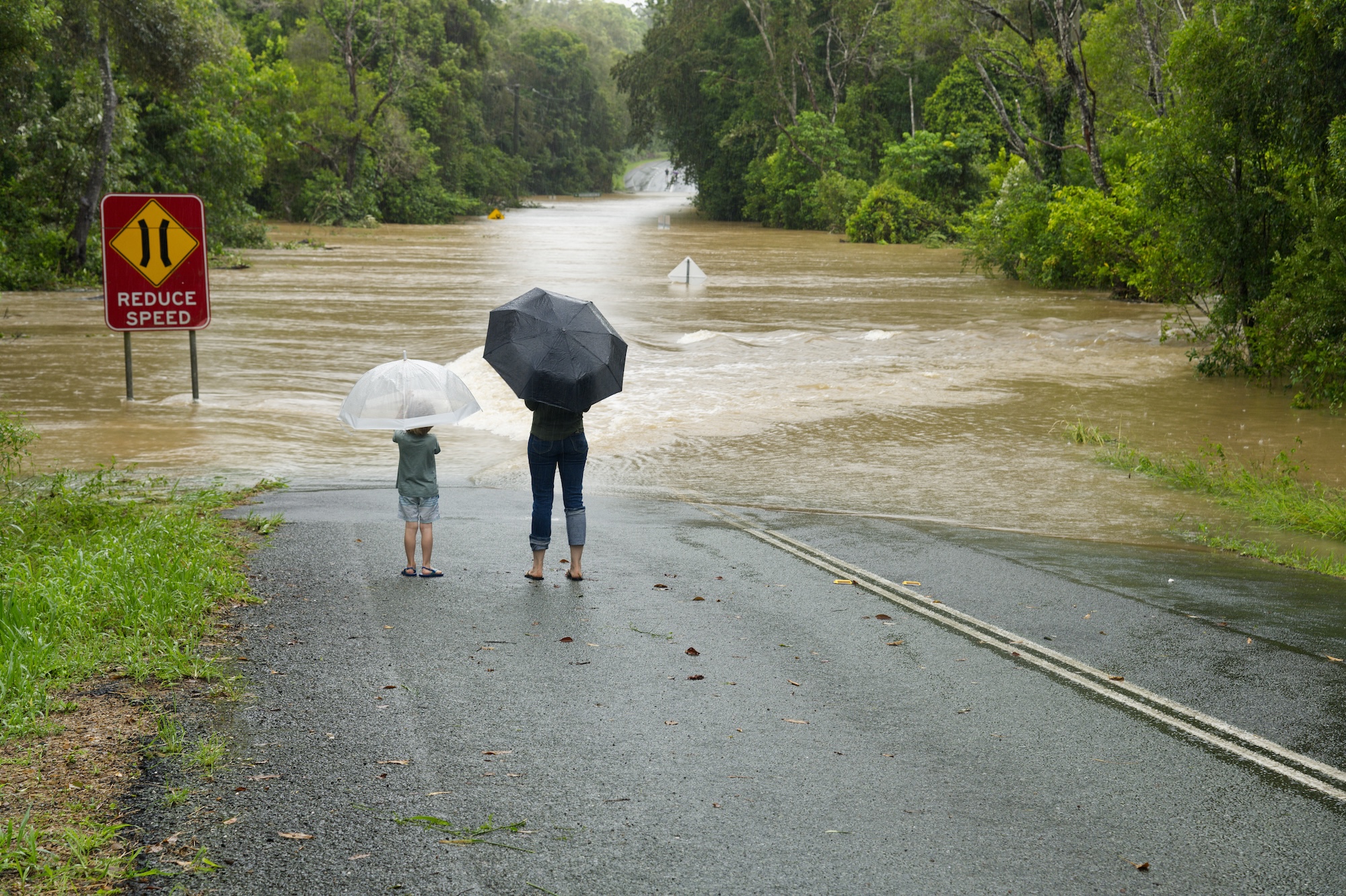
Résumé détaillé
The Fifth Estate - Sooner or later the conservative forces of our world that are turning a blind eye to climate change are going to wake up and realise that climate change and…
Sooner or later the conservative forces of our world that are turning a blind eye to climate change are going to wake up and realise that climate change and economic disruption are one and the same thing.
Wars, falling global productivity, supply chain constraints, rising costs, maybe even the rise of the far right in a number of countries including our own, are a result of a stressed planet and the rising costs of living on it.
Otherwise, why would the RBA be concerned, and the Productivity Commission likewise? As we heard from Karl Mallon from the Climate Risk Group for our briefing ahead of the Nature First & Resilient Cities event on 24th this month.
If you doubt the concern listen to what economist Timothy Neal from University of New South Wales says in this podcast. It’s from another of our speakers Nathan Robertson-Ball in his Finding Nature series, a treasure trove of deep thinking, long form conversations on a flywheel of climate and sustainability related topics.
Neal has some interesting fuel to throw on the dying embers of care about climate coming from many econocrats and BAU people running our world.
When economists forecast the impact of climate change on economies, they often get a lot wrong, Neal says. They take readings from present times and project forward rather than the readings that might have come through the system had climate change not already had an impact.
This results in assumptions that when climate disasters happen, their own economies will more or less sail through – the “no material impact” scenario.
But this fails to take account of the knock-on effects that we’ve been focusing on with this event, with most (all?) disruptions able to be traced back to a desperate grab for shrinking natural resources including oil (not all of nature is benign) or climate catastrophes such as drought (Syria for instance).
The results are not just fuel prices going through the roof but also fertiliser, which we must import entirely to grow our food. Who knew?
Début de l'article, extrait de The Fifth Estate. Pour lire la suite, ouvrez l'article chez le média.
MarketNews présente le titre et le résumé publiés par le média. L'article complet se lit sur le site de l'éditeur. (thefifthestate.com.au)