El Salvador's Bukele makes a political gamble with a Haiti gang offensive ahead of an election
Résumé détaillé
Salvadoran President Nayib Bukele has sought to present himself as the savior to Haiti’s gang crisis
Salvadoran President Nayib Bukele has sought to present himself as the savior to Haiti’s gang crisis
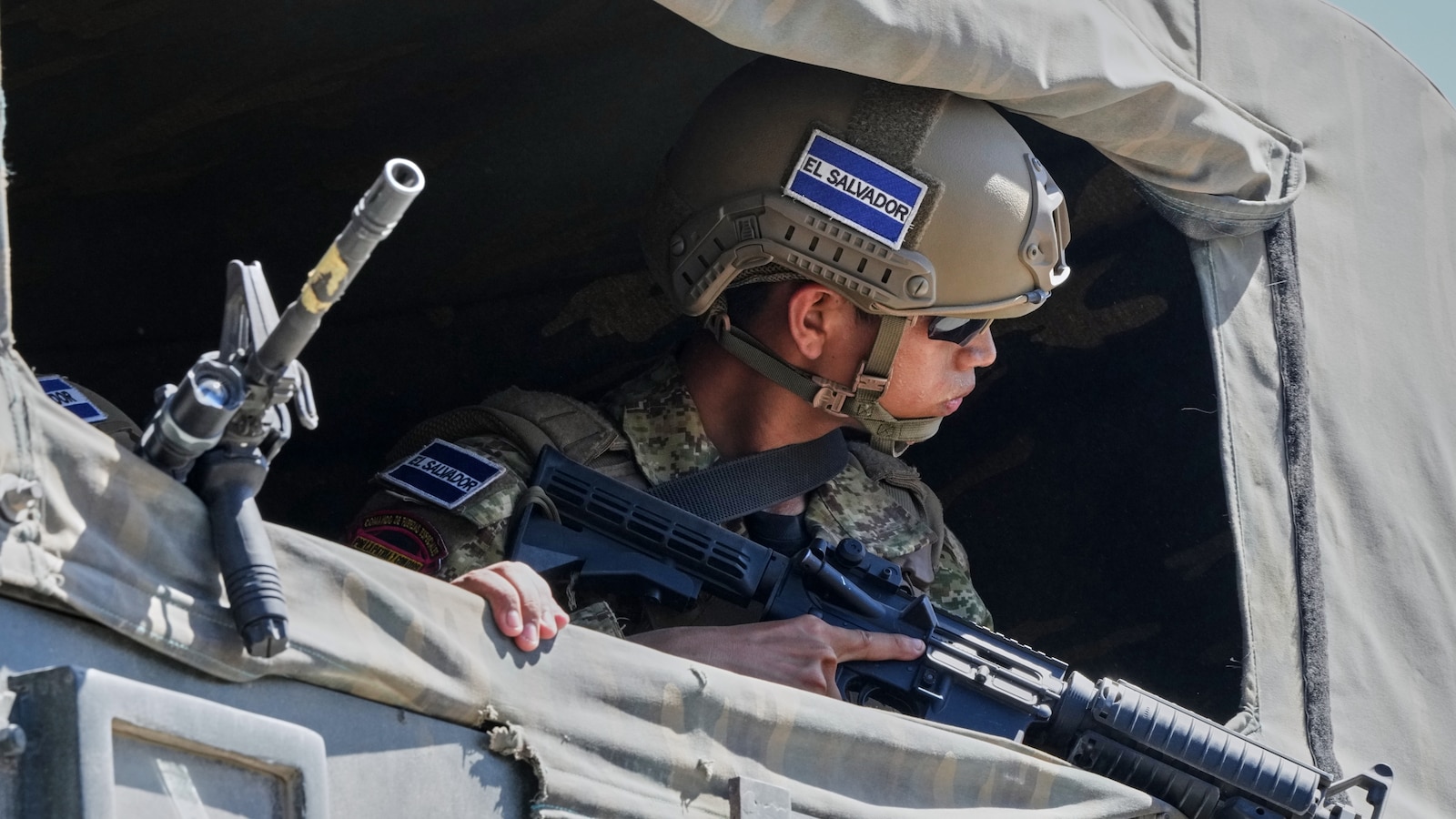
MEXICO CITY -- Salvadoran troops bombard a gangster’s home from helicopters over the Haitian countryside. Civilians cheer on marching camouflage-clad soldiers. Armored cars drive through the Caribbean nation’s gang-ravaged streets.
The videos flood the social media of Salvadoran President Nayib Bukele, Salvadoran officials and an army of pro-government influencers with a simple message in a mix of Haitian Creole, English and Spanish: “We will help you take back your country ... Finally, Haiti will be free.”
It's part of Bukele's push to present himself as the savior to Haiti’s gang crisis.
By doing so, experts say the communications specialist-turned-president seeks to defuse mounting international scrutiny over his troops' deployment and drum up political support in his own country ahead of February elections.
But they say the offensive in Haiti is a high-stakes gamble that could both isolate allies like the Trump administration and dent popular support in his own country.
“It’s an electoral campaign to promote Nayib Bukele and portray him as if he’s a superhero. They're selling an Avengers movie,” said Salvadoran political communications strategist Roberto Dubon. “He's using Haiti as a testing ground to implement his policies on an international level.”
El Salvador ’s military offensive in Haiti began in mid-October, when four Salvadoran aviation technicians working with a U.N.-backed mission went missing in a gang attack. Since then, the government has sent 2,500 soldiers to the Caribbean country with little transparency or oversight.
The disappearances posed a challenge for Bukele, who gained international fame with a political narrative centered on beating back El Salvador’s gangs with a heavy hand.
Début de l'article, extrait de ABC News. Pour lire la suite, ouvrez l'article chez le média.
MarketNews présente le titre et le résumé publiés par le média. L'article complet se lit sur le site de l'éditeur. (abcnews.com)