East Germany exiled singer Wolf Biermann. They only made his message louder
详细摘要
Fifty years ago the GDR withdrew the citizenship of the prominent leftwing dissident. It turned him into an international symbol – and cemented his place in history
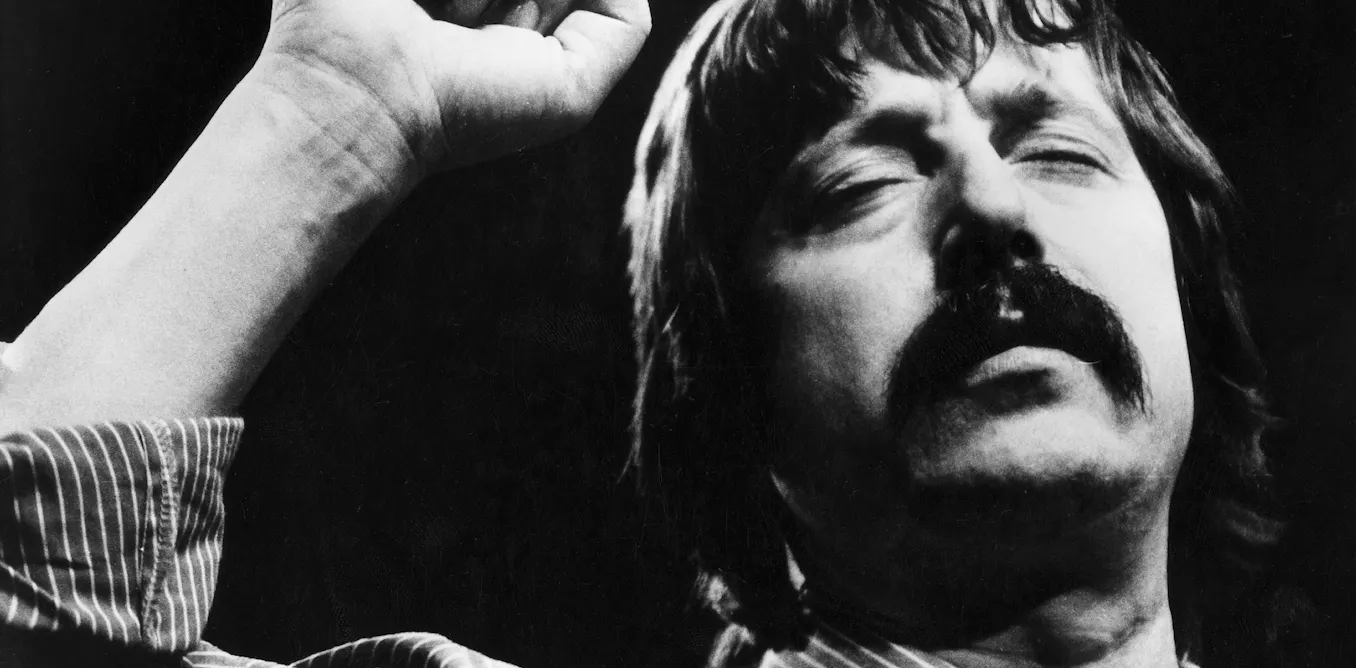
November 16 marks 50 years since one of the most notorious examples of artistic censorship from the 20th century: the East German government’s stripping the citizenship of dissident singer-songwriter Wolf Biermann.
Far from quashing Biermann’s voice, this act of political exile amplified it, and cemented his place in history, underscored by a new documentary about his life story.
It is a lesson others should have done more to heed. Earlier this year, US billionaire Robert Kraft and other stadium owners banned Macklemore from their venues over pro-Palestinian remarks the singer made during his support slot on Ed Sheeran’s tour.
But in trying to silence the rapper, Kraft and his cohort unintentionally amplified his message.
The story of Biermann can tell us much about how attempts to quash the political expression of musicians have spectacularly backfired.
Biermann, born in 1936, became a prominent figure within East German left-wing dissident artists and intellectuals in the late 1960s. But he wasn’t always an outsider.
As the West German immigrant son of a Jewish communist killed in Auschwitz, and a mentee of Bertolt Brecht, Biermann was initially the darling of the East German press, and held a candidate membership of the Socialist Unity Party (SED).
When his lyrics became critical of the SED, however, the Stasi (secret police) began a campaign of harassment that escalated over more than a decade. It included performance bans, sabotage, intimidation, round-the-clock surveillance, bugging, reports from more than 200 Stasi informants, and even a veiled death threat.
Yet this persecution amplified Biermann’s voice and gave him an international platform.
文章开头,摘自The Conversation AU。如需阅读全文,请前往媒体网站。
MarketNews 仅展示媒体发布的标题和摘要,全文请在出版方网站阅读。 (theconversation.com)