Japan's trading card industry tries to tackle scalping

ملخص مفصل
Scalping seems to be everywhere these days, from concert tickets to game consoles and sneakers. Scalping is when resellers, or "scalpers," buy up popular products, then resell…
Scalping seems to be everywhere these days, from concert tickets to game consoles and sneakers. Scalping is when resellers, or "scalpers," buy up popular products, then resell them at a higher price once they become scarce. The trading card industry has been hit especially hard, and Japanese companies are looking at ways to fight scalping and protect consumers.
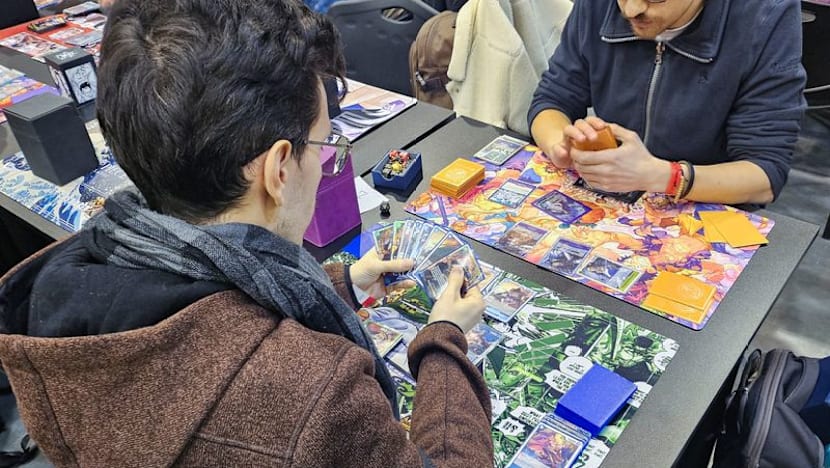
Japanese trading cards first started gaining popularity in the 1990s with specially designed sets used in games. Players collected, traded, and used them to build custom decks to fight opponents.Around 2019, they became even more popular, as YouTubers started taking videos of package openings. During the COVID pandemic, many adults started playing out of a sense of nostalgia, using the time they could not venture outside. The popularity of these cards has continued rising since, as many adults began collecting new sets of the cards they played with as kids. But this popularity has become a double-edged sword.
Japanese trading cards are extremely popular abroad as well. In Tokyo's Akihabara district, a 28-year male shopper from the United States said it has become quite difficult to get Pokemon cards in the US, as scalpers have become so aggressive. "People buy the packs and boxes and then they actually don't open them. They just hold them and sell them."Some Japanese children are feeling sad about the situation. A 10-year-old girl visiting Akihabara with her parents said, "I can't get the cards, even at a shopping mall." An 11-year-old boy complained, "Scalping makes the cards hard to get. That makes me a little sad. I hope people stop it."
In August, the Pokemon Company introduced an authentication system for online purchases. Users are encouraged to confirm their identities using their My Number Card, a national Japanese identification. It appears to be a way to stop resellers from creating multiple accounts. For physical stores, the company is exploring facial recognition to curb repeat buyers.
The…
مطلع المقال، مقتطف من NHK World. لقراءة المقال كاملًا، افتحه على موقع الناشر.
يعرض MarketNews العنوان والملخص كما نشرتهما الوسيلة الإعلامية. المقال الكامل متوفر على موقع الناشر. (www3.nhk.or.jp)