From the Lost Generation to Gen Beta: How every generation got its name
ملخص مفصل
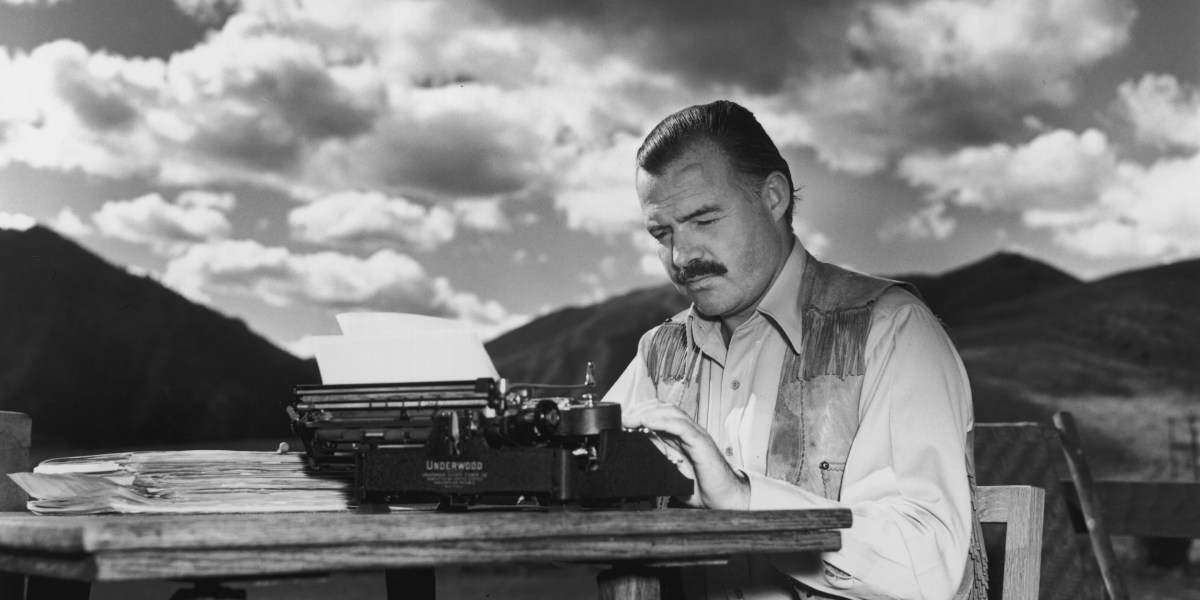
Gen Beta had a name before its first baby was born. A century earlier, the Lost Generation got its label from a French garage owner, Gertrude Stein, and Ernest Hemingway.
Generation Beta had a name before its first members were born. The label for babies born from 2025 through 2039 was already in headlines in late 2024, courtesy of the Australian demographer who also named the generation before it, Gen Alpha.
That is a long way from how this used to work. The Lost Generation got its name secondhand, from a French garage owner, via Gertrude Stein and Ernest Hemingway. A network news anchor named the Greatest Generation more than half a century after it went to war.
There’s no official process for naming a generation; it’s more like a cultural quorum is reached, and a name takes hold, even though it’s never technically fixed. The moniker for tens of millions of people born within a couple of decades of one another can come from a magazine essay, a novel, or a research firm. The only real key to a name sticking is that lots of people start using it.
The labels carry real money. McCrindle, the research firm behind Gen Alpha, projects that cohort will command $5.46 trillion in spending power by 2029. They also shape how managers size up young workers, a habit one Fortune commentary argued hurts Gen Z at work.
Even the people who measure generations are cautious about the boxes. In 2023, Pew Research Center said it would apply generational labels more selectively, warning that the standard definitions “may be too broad and arbitrary to capture differences that exist among narrower cohorts.”
The first widely recognized named generation in Western culture was the Lost Generation, generally dated to births between 1883 and 1900. Its members came of age during World War I, which killed millions of young men, and many of those who survived came home disillusioned with the values they had been raised on.
The origin story may be partly apocryphal. According to Hemingway’s memoir A Moveable Feast, as Britannica recounts it, Stein heard a garage owner in France dismiss the young men of the day as a “génération perdue.” She turned the line on Hemingway…
Th…
مطلع المقال، مقتطف من Fortune. لقراءة المقال كاملًا، افتحه على موقع الناشر.
يعرض MarketNews العنوان والملخص كما نشرتهما الوسيلة الإعلامية. المقال الكامل متوفر على موقع الناشر. (fortune.com)