The China Shock in the AI Era
Resumen detallado
Follow this section to personalize your feed and get instant alerts. WHY FOLLOW? Update your preferences in Account Settings Personalized Content Follow this tag to personalize…
Americans are anxious about artificial intelligence. In the midterm elections, they voted to slow down its expansion. Forty local ballot measures in 10 states promise to tighten restrictions on data-center construction, with overwhelming public support. Measures to limit development of data centers won more than 70% of the vote in 30 of these electoral contests. A 2026 survey by Pew Research Center found that about 52% of Americans were more concerned than excited about the growing use of AI in daily life, up from 37% in 2021. Only 9% were more excited than concerned, and roughly six in ten said they wanted more control over how AI is used in their lives.
The sources of anxiety about AI are many: the safety of increasingly powerful systems and the ability to control them; the fear of job displacement; surveillance and the loss of privacy; a rising tide of misinformation and deep fakes; the enormous amounts of electricity and water that the data centers consume; and the concentration of wealth and power in a handful of companies that own the frontier AI models.
Until now, anxiety about the role of AI in geopolitical competition has largely been confined to policy circles. But the possibility that Jensen Huang, who resigned as chief executive of Nvidia on Thursday, may have been compromised in a potential espionage scandal has brought that anxiety into the broader public sphere, fueling a frenzy over AI and the competition between the United States and China.
China is at the center of arguably two of the world’s most consequential economic and political developments: its dominance in global trade and its formidable AI capabilities. China and America are AI superpowers, but their strengths differ. America leads in computing power, thanks largely to Nvidia’s advanced chips. China is catching up fast in AI models. The economic and geopolitical implications of this competition are enormous.
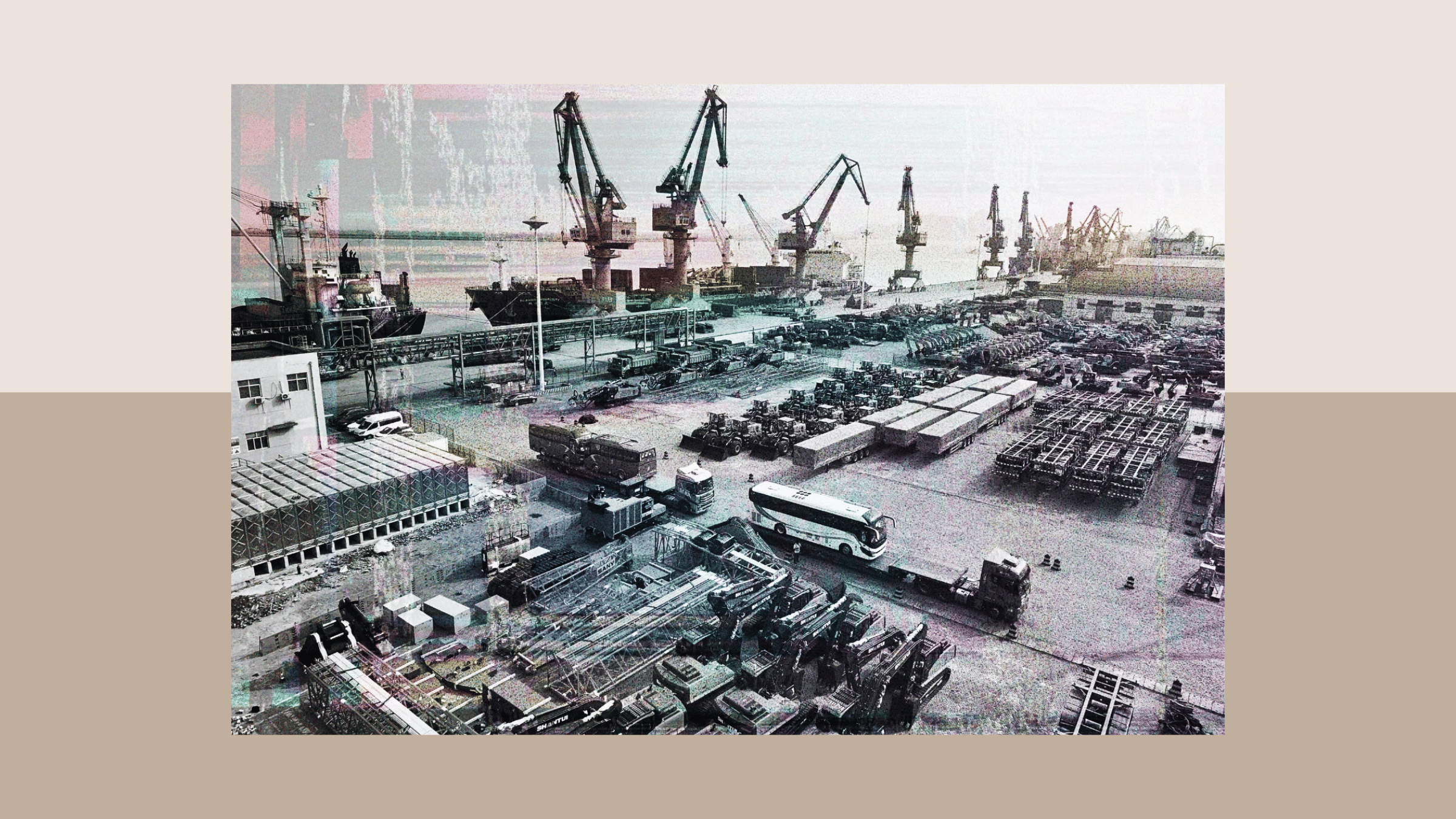
There is another dimension to this competition: the economic effects of China’s trade…
Inicio del artículo, extracto de Time. Para leer el resto, abra el artículo en el sitio del medio.
MarketNews muestra el titular y el resumen publicados por el medio. El artículo completo se lee en el sitio del editor. (time.com)