Cook Islands: Agriculture feels the heat as El Niño dry spell bites
Résumé détaillé
The impact of a prolonged El Niño-driven dry spell is already straining the Cook Islands' agriculture sector, with staple crops such as taro and green leafy vegetables among the…
The impact of a prolonged El Niño-driven dry spell is already straining the Cook Islands' agriculture sector, with staple crops such as taro and green leafy vegetables among the first to suffer.
Growers across the island are heeding calls to strictly conserve water following forecasts of extended dry conditions from the Cook Islands Meteorological Service. However, local agricultural leaders warn that harvest yields are already dropping.
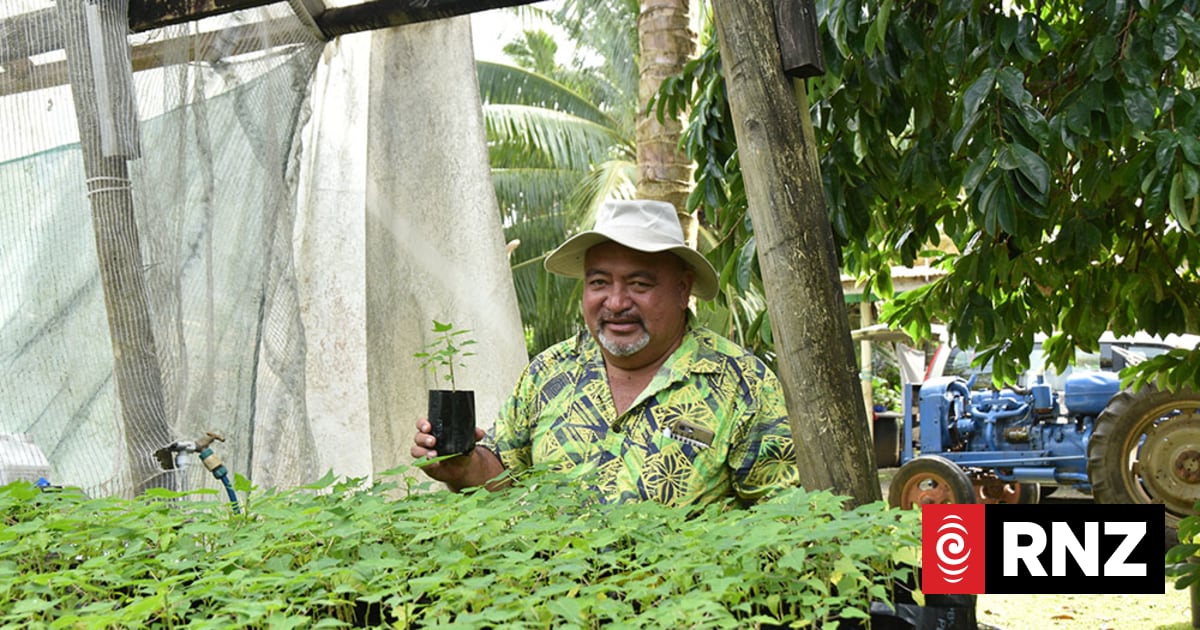
Te Tango Enua growers' association president Danny Mataroa said farmers are adhering strictly to agreed water-saving guidelines to mitigate the drought's effects.
"There are some growers who are looking at a diminished harvest because of the dry spell and water usage. We know gone are the days we can just switch the tap on and leave it. Growers are actually turning taps off," Mataroa said.
"Water is an essential part of agriculture, and production will be impacted. This could eventually lead to higher prices and more reliance on imported produce, but we are hoping that we can manage with everyone working together."
While small-scale farmers make up the majority of the Cook Islands' agricultural market, Mataroa noted that growers can manage if they adopt smarter farming strategies.
Despite recent localised rainfall, the Meteorological Service has urged communities to prepare for potentially drier conditions in the months ahead as El Niño continues to strengthen across the Pacific.
The 2026/27 Seasonal Climate and Ocean Outlook released this week highlights an increased risk of below-normal rainfall and drought in the southern Cook Islands - including Rarotonga - alongside warmer ocean temperatures in the north and elevated regional tropical cyclone activity.
Meteorological Service director Maara Vaiimene clarified that recent localised rain on Rarotonga, caused by orographic effects, does not signal a recovery in rainfall levels.
Début de l'article, extrait de RNZ. Pour lire la suite, ouvrez l'article chez le média.
MarketNews présente le titre et le résumé publiés par le média. L'article complet se lit sur le site de l'éditeur. (www.rnz.co.nz)