As Texas embraces carbon storage, a Black community questions the risks
Resumen detallado
Texas now issues permits for companies to store carbon dioxide underground. East Texas residents fear safety risks, and skeptics doubt the climate benefits.
On a rural road outside Beaumont, a Texas energy giant is preparing to pump carbon dioxide underground to permanently store it and keep the gas from contributing to global warming. The project could be the first of its kind to start operating in the state.
It’s a long-awaited milestone for the oil and gas industry, which has touted carbon capture and storage as an important tool for cleaning up industry emissions. Texas lawmakers threw their support behind the technology, while state regulators spent years seeking permitting authority from the federal government to try to clear projects faster.
The Texas Railroad Commission, which oversees the oil and gas industry, won that authority late last year and approved this Exxon Mobil project in September. But the nearby community of Cheek has asked commissioners to reconsider the permit decision.
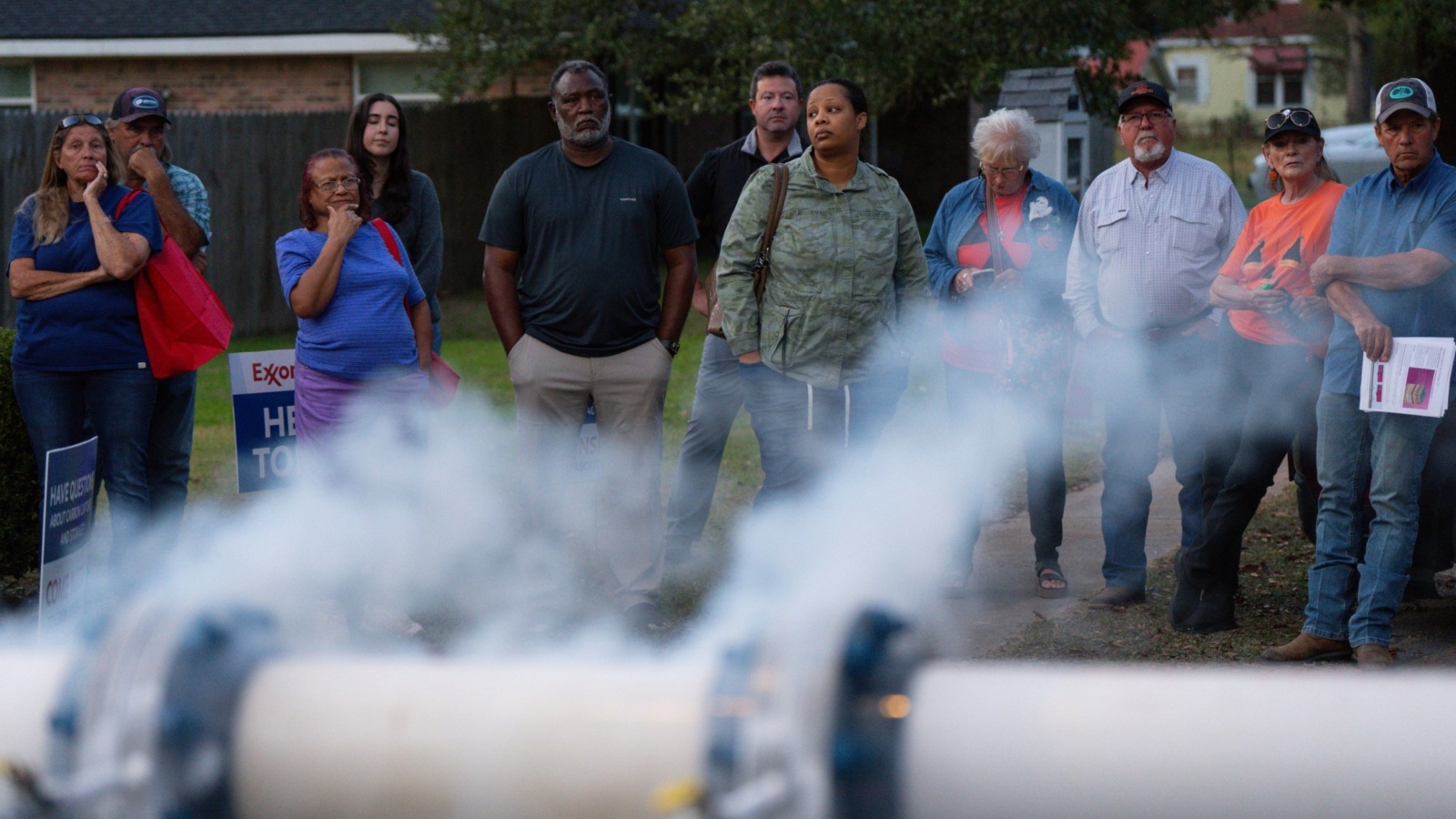
The area close to the project is predominantly Black, and many residents are working-class or elderly. People there don’t trust the company’s assurances that it will keep residents and their groundwater safe.
To support our nonprofit environmental journalism, please consider disabling your ad-blocker to allow ads on Grist. Here's How
Only a small number of carbon storage wells have been permitted so far across the United States, and some CO2-related accidents have already happened. Experts and community advocates have warned of the risk for pipeline accidents and potential underground leaks. Leaders in Cheek are concerned the injected carbon dioxide could contaminate groundwater or get into the air and suffocate them. They worry emergency responders won’t be equipped to rescue them.
“We’re just shocked that they would want to do this so close to homes,” said Douglas Cormier, the 67-year-old president of the Cheek Texas Community Association, who grew up in the rural town and lives there with his wife near his daughters and grandkids.
Residents explained they don’t want to be the test subjects for the technology, and some experts argue…
A…
Inicio del artículo, extracto de Grist. Para leer el resto, abra el artículo en el sitio del medio.
MarketNews muestra el titular y el resumen publicados por el medio. El artículo completo se lee en el sitio del editor. (grist.org)