Nepal-Tibet floods showed the need for greater climate finance. Is the world listening?
ملخص مفصل
As president of COP31 negotiations, Australia has the opportunity to rally more backing for climate finance for those on the frontline.
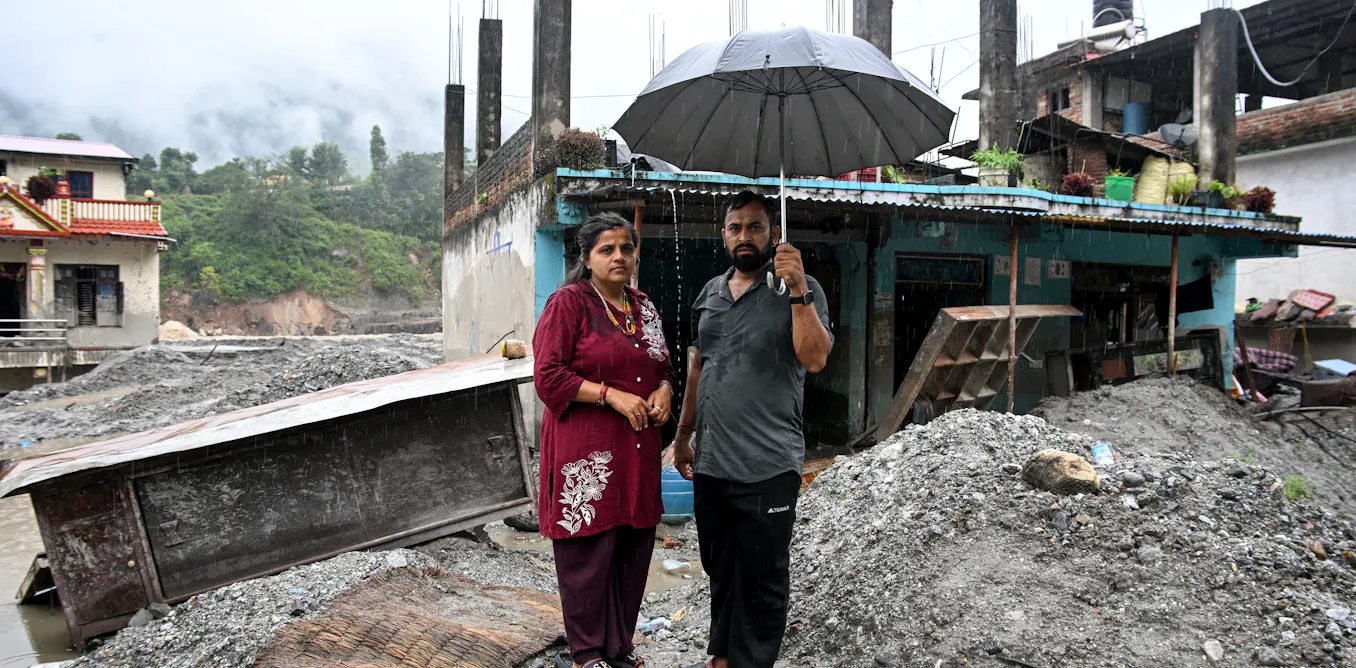
Earlier this year, a massive flash flood ripped through Nepalese and Tibetan townships along the Bhote Koshi river system, leaving more than 1,400 people dead and at least 5,000 missing.
Climate change contributed to the glacial mountain collapse that triggered the floods. But Nepal, a developing country of about 30 million people, only produces 0.05% of the world’s carbon emissions.
Left with a multi-billion dollar reconstruction bill, Nepal is a clear-cut example of the need for greater climate finance – the funding to help developing countries protect their people and economies against climate disasters, and rebuild when they happen.
But time and time again, United Nations climate summits fall short of agreements that would provide enough climate finance to match the magnitude of climate change. Will COP31 be any different?
Climate finance is the funding that helps countries protect their people and economies from the damage wrought by global warming. It includes projects like building sea walls to protect from floods and sea-level rise, developing drought-tolerant crops or enhancing infrastructure so buildings and transport networks can withstand extreme weather. Climate finance can also fund investments that mitigate – or reduce – carbon emissions, such as renewable energy and electric transport.
Since climate diplomacy began in 1995 with the first UN climate summit, developing countries – particularly in the Pacific – have fought for greater availability of climate finance.
Their argument is this: wealthy countries should lead on climate finance because they developed with the benefit of fossil fuels, and contribute the most to climate change. In comparison, developing countries have limited resources, and emit negligible amounts of greenhouse gases but suffer disproportionate climate consequences.
At the 2024 climate summit in Baku, Azerbaijan, a new finance agreement was reached. Developed countries committed to raise US$300 billion (A$436 billion) a year for the…
A…
مطلع المقال، مقتطف من The Conversation AU. لقراءة المقال كاملًا، افتحه على موقع الناشر.
يعرض MarketNews العنوان والملخص كما نشرتهما الوسيلة الإعلامية. المقال الكامل متوفر على موقع الناشر. (theconversation.com)