Economic coercion ousted Iran’s leader in the 1950s but won’t now
ملخص مفصل
“Very little gets into, or out of, Iran!” President Donald Trump claimed on November 8, 2026, in a social media post that also lauded “history’s greatest Naval Blockade.” It…
“Very little gets into, or out of, Iran!” President Donald Trump claimed on November 8, 2026, in a social media post that also lauded “history’s greatest Naval Blockade.”
It followed the unveiling of Task Force Iron Gate – the Trump administration’s latest plan to isolate the Iranian economy in a bid to coerce the government in Tehran to bend to Washington’s will. At the same time, Trump has suggested that a return to open war with Iran is “highly unlikely.”
From my perspective as an expert on Iran’s relations with the wider world, I believe that the US war in Iran – now into its ninth month – is increasingly resembling an earlier episode of Iranian-Western conflict.
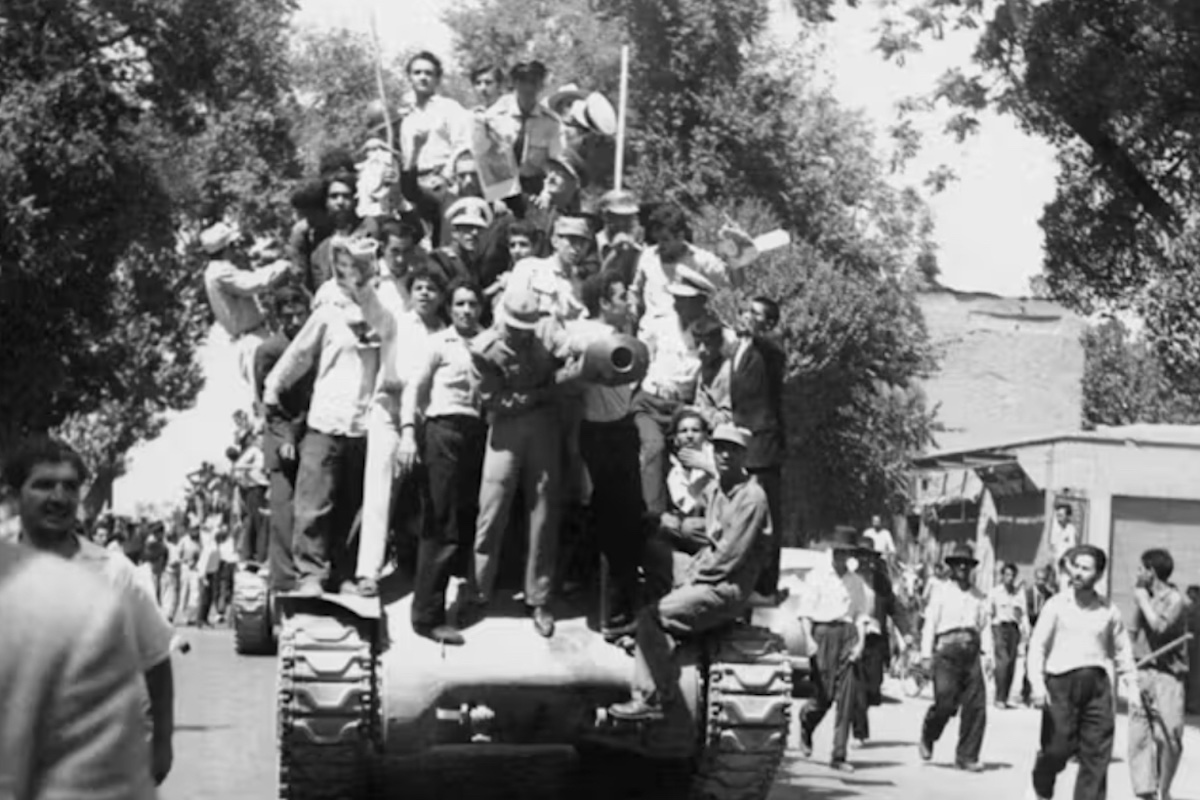
In the early 1950s, the British imposed a two-year blockade and embargo against Iran after Iran’s then-prime minister, Mohammad Mossadegh, nationalized the country’s UK-controlled oil industry. Those efforts culminated in a 1953 British- and American-backed plot to stir up protest in Iran and eventually overthrow Mossadegh.
Seventy-three years later, many of those themes – oil, economic coercion, political intervention – ring true again. Trump’s stated and shifting justifications for the war include imminent threat preemption and nuclear nonproliferation. Yet his main motivations seem to be choosing Iran’s leader and controlling its oil.
Having failed to achieve this through direct military force, Trump’s main means for achieving the objectives are now a naval blockade and economic isolation – much like the British some seven decades earlier.
But there the analogy may end. Unlike during the Mossadegh era, Iran has shown it can fight back against foreign intervention and coercive economic actions through asymmetric warfare and economic disruption.
In March 1951, one month before becoming prime minister and while serving as a parliamentary representative, Mossadegh persuaded the Iranian parliament to pass legislation that nationalized the Anglo-Iranian Oil Company.
While popular with many Iranians, who perceived…
مطلع المقال، مقتطف من Asia Times. لقراءة المقال كاملًا، افتحه على موقع الناشر.
يعرض MarketNews العنوان والملخص كما نشرتهما الوسيلة الإعلامية. المقال الكامل متوفر على موقع الناشر. (asiatimes.com)