The next customer brands need to win over isn’t human—and it doesn’t care how big your company is
Detailed summary
As AI agents increasingly shape what consumers discover, compare, and buy, even the world's biggest brands risk being overlooked. From Unilever to JD Sports, marketers are racing…
Tati Lindenberg has a challenge on her hands. As global CMO of Unilever’s homecare division, she’s made her name by marketing to humans—often by playing on senses and emotions. But soon, she’ll need to market to a different kind of customer—one that doesn’t feel, sense, or care how big your company is. That is the AI agent.
“The store, online or offline, has always been where the decision is made. The AI answer is becoming a new kind of shelf,” says Lindenberg. “In that world, a brand needs to be recognised, trusted and preferred by people and by machines.”
In the U.K., 52% of shoppers have used AI for at least one shopping task in the past three months, according to McKinsey research. In China—where adoption of AI is more advanced—that figure rises to 80%.
The power of agents in decision-making is growing. Currently, most consumers use AI to conduct research and will make the ultimate decision on what to buy themselves. But soon, a substantial number could trust agents to handle the entire process.
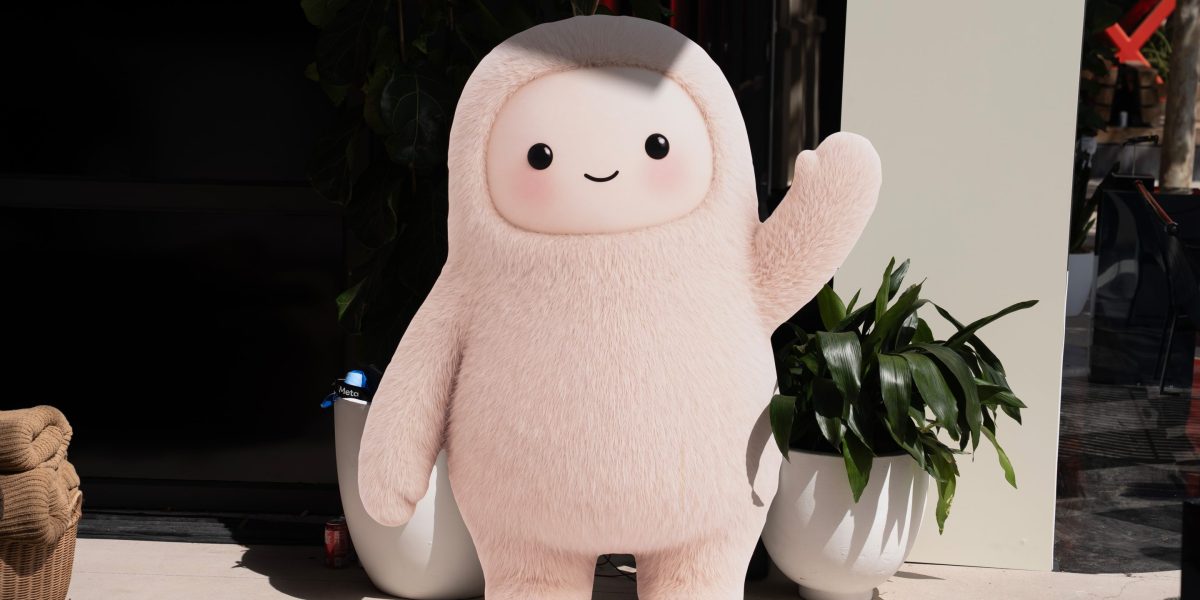
Mastercard forecasts that one in 10 people will routinely use AI agents to shop and pay by 2030. Meta’s personal AI agent Muse, which is capable of researching products and making purchases, is expected to launch in the U.K. “within weeks.”
Purchases of Unilever’s beauty, wellbeing, and home care products are more likely to be delegated to AI, according to Nick Carroll, Mintel’s retail principal strategist. “In general, consumers are most interested in automating those less emotive and most regularly purchased categories,” he says. Mintel data shows household products are most ripe for disruption; 41% of consumers would feel comfortable automating these purchases.
Unilever isn’t the only company harnessing AI in the purchasing process. At the start of the year, JD Sports unveiled new tech that allows U.S. shoppers to make purchases using platforms such as Microsoft Copilot, Google’s Gemini, and ChatGPT in a single click.
The increased use of AI agents by consumers has quickly…
I…
Opening of the article, excerpted from Fortune. To read the rest, open the article on the publisher's site.
MarketNews shows the headline and summary published by the outlet. The full article is on the publisher's website. (fortune.com)